
Measuring Oxygen Purity With Fuel Cell Sensor
Measuring Oxygen Purity With Fuel Cell Sensor – Fuel Cell Coating – Cheersonic
High concentrations of oxygen are used in many chemical processes to increase yields without significantly increasing costs. Oxygen enrichment for chemical processes typically ranges from 80% to 100%. Oxygen supplied to the chemical processing industry is either cryogenically generated or consumed at moderate to low levels through pressure swing absorption and/or vacuum pressure adsorption.
Oxygen producers and users have historically relied on paramagnetic oxygen sensing devices to measure oxygen purity. These sensors provide highly accurate results, especially in the inhibition range of 90% to 100% oxygen. However, they are expensive and require a lot of maintenance in terms of frequent calibration. In addition, paramagnetic sensors are very sensitive to changes in gas flow rate; even the presence of small amounts of fine particulate matter; as well as humidity, temperature, pressure, and mechanical vibrations. Therefore, analyzers containing these sensors require calibration on an almost daily basis.
Micro fuel cell
There is ongoing interest in low-cost, low-maintenance, and more versatile methods of measuring oxygen purity. Oxygen-specific galvanic-type micro-fuel cells meet these requirements. Furthermore, their operation is very simple. Under normal operating conditions in a typical micro fuel cell, oxygen diffuses through a PTFE membrane, dissolves in a very thin layer of electrolyte between the sensing electrode and the membrane, and then diffuses to the sensing surface where it is reduced. Simultaneous oxidation of the anode material (usually lead or cadmium) promotes oxygen reduction.
The electrons released by anodization are consumed in the oxygen reduction process and flow through the external circuit. Measurement of the flow of electrons (current) indicates the concentration of oxygen. In order for a micro fuel cell to continue to function properly, it must:
• The amount of anode material is sufficient to support oxygen reduction for months to years.
• Sufficient concentration of hydroxide ions at and near the electrode surface at all times.
• The PbO concentration on and near the electrode surface does not increase to a level that would cause a blockage of the oxygen reduction reaction.
Ultrasonic spray fuel cell catalyst coating system can produce highly uniform, repeatable and durable coatings. Our ultrasonic spraying can well control coating properties, significantly reduce material usage, and reduce maintenance and downtime. Uniform catalyst coatings are deposited onto PEM fuel cells, GDLs, electrodes, various electrolyte membranes, and solid oxide fuel cells with suspensions containing carbon black inks, PTFE binder, ceramic slurries, platinum and other precious metals.
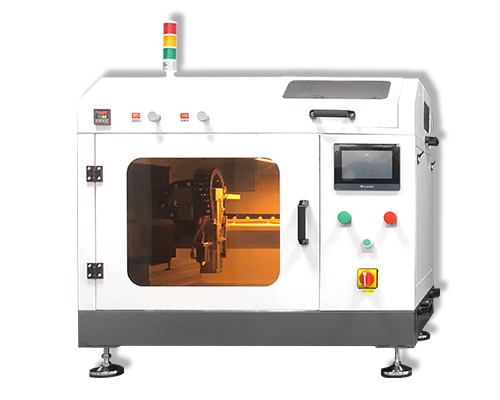
Cheersonic is the leading developer and manufacturer of ultrasonic coating systems for applying precise, thin film coatings to protect, strengthen or smooth surfaces on parts and components for the microelectronics/electronics, alternative energy, medical and industrial markets, including specialized glass applications in construction and automotive.
Chinese Website: Cheersonic Provides Professional Coating Solutions
