
Ultrasonic Spraying Of SOFC
Ultrasonic Spraying Of SOFC – Coating Proton Exchange Membrances – Cheersonic
The promise of direct and efficient conversion of chemical to electrical energy makes fuel cell development an area of great technological interest. The advantages over traditional power generation systems are numerous. Most prominent is the increased efficiency associated with directly converting chemical energy to electrical energy. Fuel cells are not subject to the Carnot-cycle limitations, and unlike high-efficiency turbines, exhibit their highest efficiency at low loads. Fuel cells do not produce significant quantities of NOx, SOx, or particulate pollutants. Compared to normal batteries, fuel cells can have much higher energy densities and can be recharged more quickly and easily. Finally, fuel cells can be applied in applications that require both low and high power outputs, and they can be modular and portable. A major advantage of solid oxide fuel cells (SOFC) is that they have much greater fuel flexibility due to the fact that O2- anions are the species transported through the membrane. This allows SOFC to operate, in principle, on any combustible fuel.
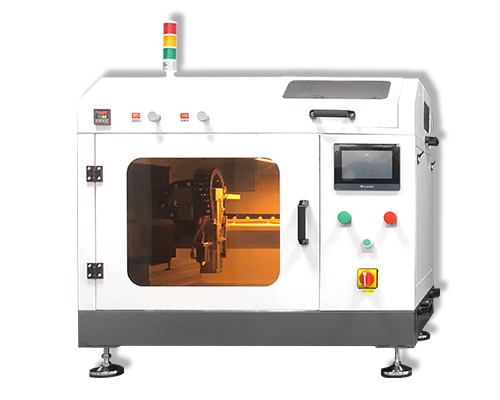
Cheersonic ultrasonic coating systems suitable for R & D, small and medium-sized batch production. It produce highly durable, uniform, coatings of carbon-based catalyst inks onto both fuel cell and electrolysis processes for proton exchange membrane (PEM) electrolyzers such as Nafion, without deformation of the membrane. UAM4000L is a tabletop system often used in R&D or low volume production for coating Proton Exchange Membrances (PEMs) or other electrolyte materials with metal catalyst inks. These ultra thin materials require several layers of coating to achieve necessary weight gain of inks without deformation of the delicate membranes.
The advantages of the Cheersonic ultrasonic coating system include:
1.Excellent stiction adherence to PEM; optimal for high vibration fuel cell applications such as automotive parts.
2.Low diversion pressure can reduce waste of overcoating and air pollution
3.Intermittent or continuous operation
4.High transfer efficiency.
5.No blockage
6.Utilization> 95%
7.Corrosion resistant stainless steel and titanium construction