
Fuel Cell Coating Machines For AAEMFCs
Cheersonic’s Fuel Cell Coating Machines For AAEMFCs, PEMs, GDL, electrolyzer manufacturing, R&D to hi-volume.
The fuel cell is one of the most promising power generation technologies owing to its ability in converting chemical energy into electrical energy. Among fuel cells, proton exchange membrane fuel cells (PEMFCs) have been studied extensively. However, the PEMFC still suffers from certain drawbacks such as high cost of membranes and most importantly expensive catalysts like palladium or platinum used in electrodes. In addition, higher fuel permeability and slower reaction kinetics are also serious concerns for PEMFCs. Since the past decade or so, the alkaline anion exchange membrane fuel cell (AAEMFC) has gained a lot of interest as a low-cost alternative to the PEMFC. The alkaline anion exchange membrane (AAEM) is the most vital component in the development of AAEMFCs. AAEMs must possess higher ionic conductivity, excellent alkaline stability, good thermal stability, moderate to high mechanical robustness, and sufficient long-term durability at higher temperatures in the presence of alkaline conditions.
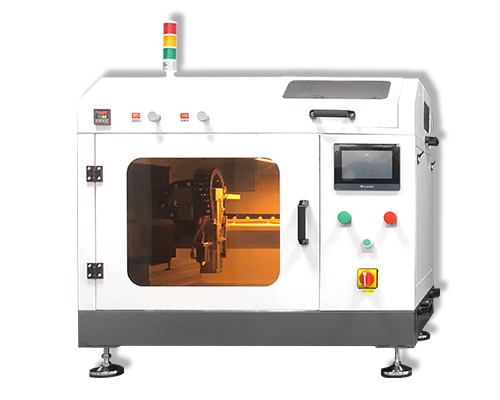
Cheersonic ultrasonic coating systems suitable for R & D, small and medium-sized batch production. It produce highly durable, uniform, coatings of carbon-based catalyst inks onto both fuel cell and electrolysis processes for AAEMFC electrolyzers such as Nafion, without deformation of the membrane. Cheersonic has developed coating processes that prvide excellent results with durable, pinhole-free coatings.And because the equipment has the advantage of extremely high liquid utilization, it can greatly reduce research and production costs.
The advantages of Cheersonic ultrasonic coating systems include:
1.Utilization> 95%
2.Low diversion pressure can reduce waste of overcoating and air pollution
3.Intermittent or continuous operation
4.High transfer efficiency.
5.Excellent stiction “adherence” to PEM; optimal for high vibration fuel cell applications such as automotive parts.
6.No blockage
7.Corrosion resistant stainless steel and titanium construction
