
Fuel Cell Structure
The main components of a fuel cell are: electrodes, electrolyte membranes, and current collectors.
1. Electrode
The fuel cell electrode is an electrochemical reaction site where the fuel undergoes oxidation reaction and the oxidant undergoes reduction reaction. The key to its performance lies in the performance of the catalyst, the electrode material and the electrode manufacturing process.
The electrode can be divided into two parts, one is the anode and the other is the cathode. The thickness is generally 200-500mm. The structure is different from the flat electrode of the ordinary battery in that the electrode of the fuel cell is a porous structure, so it is designed to be porous. The main reason for the structure is that most of the fuel and oxidant used in the fuel cell are gases, and the solubility of the gas in the electrolyte is not high. In order to increase the actual working current density of the fuel cell and reduce the polarization, a porous structure has been developed. Electrode to increase the surface area of the electrode involved in the reaction, and this is also one of the key reasons why the fuel cell can move from the theoretical research stage to the practical stage.
At present, the electrodes of high-temperature fuel cells are mainly made of catalyst materials, such as Y2O3-stabilized-ZrO2 of solid oxide fuel cells and nickel oxide electrodes of molten carbonate fuel cells, while low-temperature fuel cells are mainly made of gas diffusion layers. It is constructed by supporting a thin layer of catalyst material, such as platinum electrodes of phosphoric acid fuel cells and proton exchange membrane fuel cells.
2. Electrolyte diaphragm
The main function of the electrolyte membrane is to separate the oxidizer and the reducing agent, and to conduct ions. Therefore, the thinner the electrolyte membrane, the better, but the strength must also be considered. As far as the current technology is concerned, the thickness is generally about tens of millimeters to hundreds of millimeters. ; As for the material, there are currently two development directions. One is to first make a porous diaphragm with insulating materials such as asbestos film, silicon carbide SiC film, and lithium aluminate film, and then immerse it in molten lithium-potassium carbonate, potassium hydroxide With phosphoric acid, etc., make it adhere to the diaphragm hole, and the other is to use perfluorosulfonic acid resin and YSZ.
3. Collector
The current collector is also called a bipolar plate, which has the functions of collecting current, separating oxidant and reducing agent, and channeling reaction gas. The performance of the current collector mainly depends on its material characteristics, flow field design and processing technology.
Video of Fuel Cell Coating
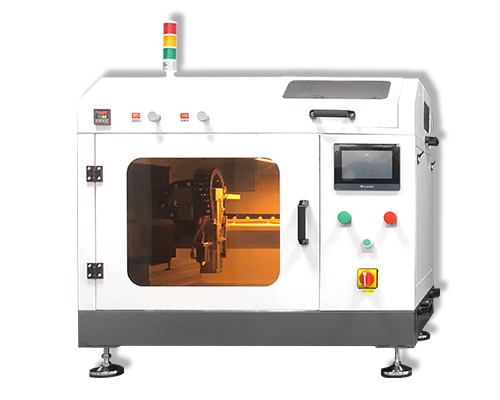
Ultrasonic spray fuel cell catalyst coating system can produce highly uniform, repeatable and durable coatings. Our ultrasonic spraying can well control coating properties, significantly reduce material usage, and reduce maintenance and downtime.