Ultrasonic Spray-Coated Anodes for Chlorine Production and Chlor-Alkali Electrolysis
Chlorine producers rely on electrochemical processes in which the anode is central to production efficiency, cell voltage and operating reliability. In brine and seawater electrolysis, anode performance influences chlorine evolution, energy consumption and maintenance requirements. Traditional consumable anodes can require frequent replacement and may complicate process control, while modern dimensionally stable anodes demand careful catalyst selection and manufacturing quality.
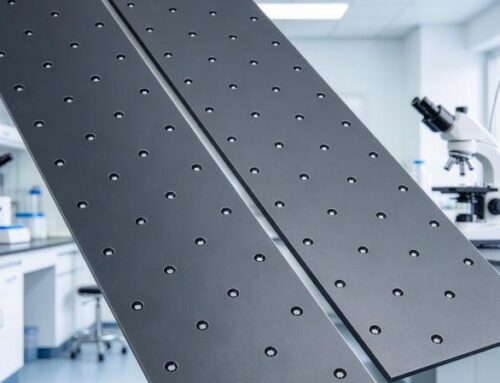
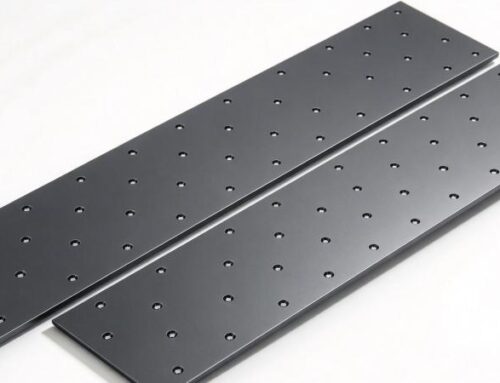
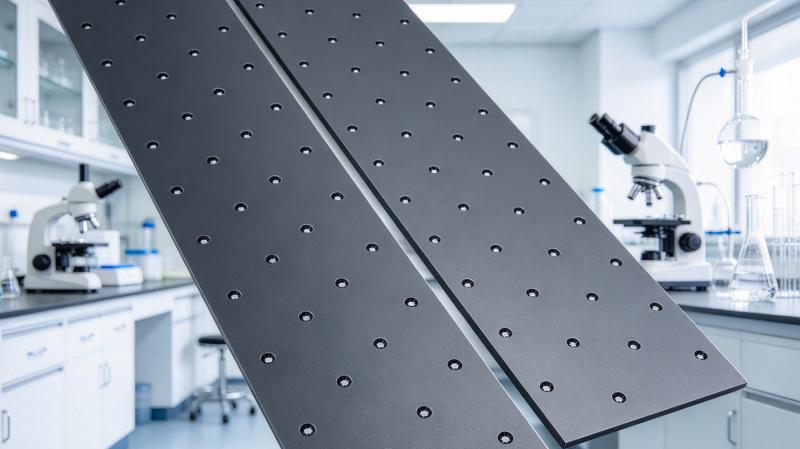
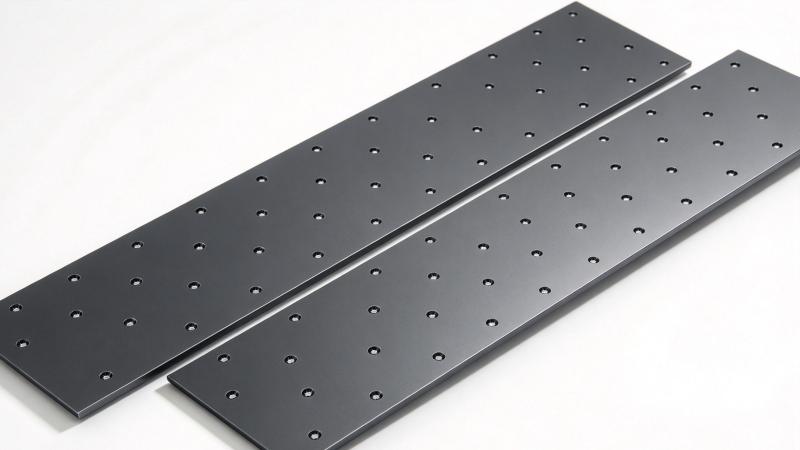
Ultrasonic spray coating can manufacture titanium-based anodes with mixed-metal-oxide catalytic layers tailored to chlorine evolution. The process offers controlled precursor deposition and a repeatable route to functional coatings. With a suitable precious-metal oxide formulation and a properly prepared substrate, the resulting electrode can be designed for long service, reduced maintenance and stable operation in the intended chloride environment.
Technology Principle: Why Ultrasonic Spray Coating?
During chlorine electrolysis, chloride ions are oxidized at the anode to form chlorine. The catalyst coating must promote the desired reaction while resisting the corrosive electrolyte and operating potential. Titanium provides a dimensionally stable substrate, while the MMO layer supplies the catalytic surface. The precious-metal oxide composition and loading influence activity, selectivity and durability, so formulation should be based on electrolyte concentration, temperature, current density and required chlorine purity.
Ultrasonic atomization forms a fine mist from a precursor solution. The mist is delivered in controlled passes onto a prepared titanium surface, followed by drying and thermal conversion. Compared with conventional high-pressure spraying, the method can provide controlled deposition at relatively low droplet momentum. Substrate preparation and thermal treatment remain critical to coating adhesion and electrochemical lifetime.
Product Structure and Key Components
The manufacturing system comprises precursor storage and mixing, metered liquid delivery, ultrasonic atomizing nozzle, generator, motion platform, titanium fixtures, drying and thermal-treatment zones, extraction and quality inspection. For industrial anodes, the equipment may need to handle mesh, plate, expanded-metal or custom geometries. Fixtures should expose the active area while preventing shadowing and ensuring repeatable nozzle distance.
Core Advantages for Industrial Electrode Manufacturing
- Lower voltage potential: an active, application-matched coating can support efficient chlorine evolution; actual voltage depends on the complete cell.
- Durable structure: a stable titanium substrate and qualified MMO coating can reduce replacement frequency.
- Reduced maintenance: longer service intervals can limit interruptions when supported by correct operating conditions.
- Formulation flexibility: precious-metal oxide ratios can be engineered for defined performance and product-quality targets.
- Repeatable manufacture: controlled atomization and motion provide a documented coating route.
Typical Applications and Process Validation
Applications include chlor-alkali cells, brine electrolysis, seawater electrolysis and selected metal-refining processes where chlorine evolution is required. Cell technology, membrane or diaphragm compatibility, brine purification, gas disengagement and operating current density must all be considered. A coating specification should never be selected from the phrase “chlorine anode” alone; the electrolyte and cell design define the duty.
How to Evaluate the Process Before Choosing Equipment
A useful evaluation begins with the electrolyte, substrate, operating current density, temperature, flow pattern and required service life. Record the current anode geometry and coating condition, then define the performance problem in measurable terms: deposit-thickness variation, cell voltage, coating consumption, bath contamination, maintenance frequency or rejected product. These measurements establish a baseline and prevent a new coating process from being judged only by appearance.
For a laboratory trial, use representative substrate coupons and the actual production electrolyte wherever practical. Keep substrate preparation, masking, coating loading and thermal treatment under documented control. Change one process variable at a time when establishing the initial window. A visually uniform coating is encouraging, but it does not by itself prove adhesion, electrochemical activity or long-term durability. Include electrochemical measurements and an operating test that reflects the intended duty cycle.
Equipment Architecture and Process Control
An ultrasonic coating system normally combines a liquid-delivery unit, ultrasonic atomizing nozzle, transducer and generator, motion platform, substrate fixture, extraction or drying provisions, and a control interface. The nozzle converts liquid into a fine, relatively low-velocity mist. The generator maintains the required vibration, while the liquid-delivery system controls feed stability. A motion system manages the relative path between the nozzle and substrate so that overlapping passes create a consistent deposited layer.
Important design decisions include wetted-part compatibility, nozzle material, liquid-path cleanability, fixture rigidity, motion repeatability and the ability to monitor flow and ultrasonic power. Corrosion-resistant materials should be selected against the actual precursor chemistry rather than chosen by appearance alone. Where a process uses flammable solvents, the complete installation, ventilation, electrical equipment and operating procedures must be assessed for the applicable hazardous-area requirements. Do not assume that an individual component’s rating certifies the complete line.
Key Process Variables and Performance Indicators
There is no universal power, flow-rate, traverse-speed or coating-thickness setting for every catalyst formulation. The correct operating window depends on viscosity, surface tension, solids loading, solvent volatility, particle size, substrate temperature, nozzle-to-surface distance and the desired loading. Establish a stable window through trials and document the formulation and environmental conditions alongside every result.
Track coating mass per unit area, thickness distribution, edge-to-centre variation, adhesion, surface morphology, electrical contact resistance where relevant, electrochemical activity and durability under representative cycling. At production scale, also monitor line speed, uptime, material utilization, cleaning interval and batch-to-batch variation. Compare these indicators with the existing process using the same sampling plan. This creates a defensible basis for calculating yield, operating cost and return on investment.
Practical Limitations and Troubleshooting
Ultrasonic atomization can improve control, but it cannot compensate for an unstable precursor, contaminated substrate or poorly designed cell. High viscosity, rapid solvent evaporation, agglomerated solids or a formulation outside the nozzle’s workable range may cause unstable atomization or irregular deposition. Poor wetting can create pinholes or dewetting; excessive local loading can cause cracking during drying or thermal treatment; insufficient surface preparation can cause weak adhesion.
When defects appear, first verify substrate cleanliness and surface condition, then check liquid homogeneity, feed stability, nozzle condition, ambient airflow, substrate temperature and motion overlap. Confirm that the drying and thermal-treatment profile is compatible with the catalyst chemistry and substrate. Avoid changing several variables simultaneously, because that makes root-cause analysis difficult. For corrosive or hazardous electrolytes, use appropriate containment, ventilation, personal protective equipment and waste-handling procedures.
From Laboratory Trials to Production
Small-scale equipment is useful for screening formulations, confirming wetting behaviour and comparing catalyst loading. A pilot platform should reproduce the important production variables, including nozzle motion, substrate handling, drying conditions and repeatable liquid delivery. A production line adds throughput, automation, process monitoring, maintenance access and documented quality controls. Scaling should preserve the deposition mechanism rather than simply increasing liquid flow or ultrasonic power.
Before specifying a system, prepare a sample set that includes the real substrate, catalyst precursor and target coating loading. Agree on acceptance criteria before the trial, and retain reference samples for later comparison. The final specification should identify the process window, inspection method, maintenance interval, changeover procedure and the responsibilities for precursor preparation and quality release.
Selection Guidance and Next Steps
Choose equipment around the substrate dimensions, required throughput, chemistry, coating area, target loading and degree of automation. Confirm whether the application needs a single nozzle, multiple nozzles, a translating stage, a roll-to-roll arrangement or a custom fixture. Ask how the system controls liquid delivery, monitors ultrasonic operation, records recipes and supports cleaning. A pilot trial is particularly valuable when the catalyst formulation or electrolyte is new.
Cheersonic can discuss application requirements, coating trials, process development and customized ultrasonic coating equipment. Qualified manufacturers and R&D teams are invited to share substrate samples, precursor information and target performance criteria so that a practical test plan can be agreed.
Explore Cheersonic ultrasonic coating equipment solutions or contact market2@cheersonic.com to discuss a catalyst-coating project and arrange a coating sample test.