Ultrasonic Spray Coating RuTi Anodes for Chlor Alkali Applications
Ultrasonic Spray Coating RuTi Anodes for Chlor Alkali Applications
1. Application Background of Titanium Anodes in the Chlor-Alkali Industry
The chlor-alkali industry is a fundamental sector of the chemical industry, primarily producing essential chemical raw materials such as caustic soda, chlorine, and hydrogen through the electrolysis of brine. The entire production process relies on high-performance, stable electrodes to facilitate electrochemical reactions. As a core component of the electrolyzer, the anode directly affects production efficiency, energy consumption, and equipment service life.
Chlor-alkali electrolysis involves highly oxidizing and corrosive operating conditions. Conventional electrode materials are susceptible to corrosion, coating detachment, and declining electrical conductivity. These issues not only increase equipment replacement costs but may also lead to higher energy consumption and reduced product quality, compromising the continuous and stable operation of production lines. Therefore, high-performance modified titanium anodes capable of withstanding the demanding conditions of the chlor-alkali industry have become increasingly important for industrial upgrading.
2. Advantages of Ultrasonic Spray Coating for Titanium Anode Preparation
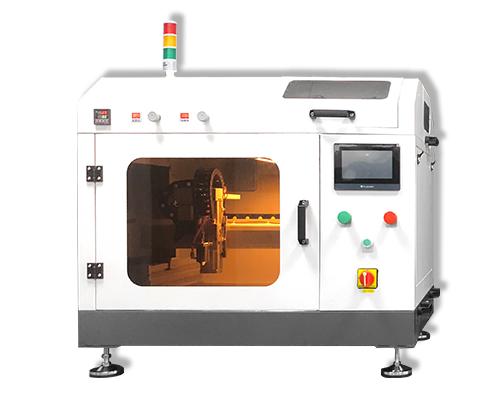
Ultrasonic spray coating is an advanced coating technology used to deposit functional coatings onto titanium anodes. Compared with conventional brushing, dip coating, and thermal spraying, ultrasonic spray coating offers improved coating uniformity and process controllability, making it suitable for the preparation of functional coatings for chlor-alkali anodes.
This technology uses ultrasonic atomization to transform coating solutions into fine, uniform droplets, which are then precisely deposited onto the titanium substrate to form a smooth, dense functional coating with good adhesion.
The spraying process offers stable operation and precise control over coating thickness and uniformity, helping address common limitations of conventional coating methods, including uneven coating thickness, excessive pinholes, insufficient surface coverage, and poor adhesion. A properly prepared coating can provide uniform coverage of the titanium substrate, helping reduce its exposure to corrosive media during electrolysis and improve the corrosion resistance and electrochemical stability of the anode.
In addition, ultrasonic spray coating offers good process repeatability and is suitable for scalable manufacturing, making it a promising solution for the large-scale production of electrodes for the chlor-alkali industry.
3. Key Characteristics of Titanium-Based Ruthenium-Titanium Coatings
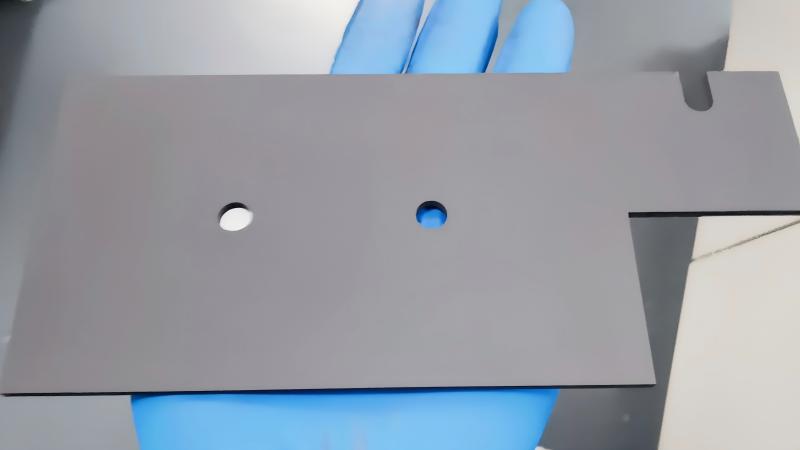
The coating system discussed here is a titanium-based ruthenium-titanium coating, consisting of a titanium substrate and a functional layer based on mixed ruthenium-titanium oxides. This is a well-established type of coating system for chlor-alkali electrolysis, combining favorable electrochemical activity with corrosion resistance.
Electrical and electrocatalytic performance
Ruthenium-titanium oxide coatings can exhibit a low chlorine evolution overpotential and excellent electrocatalytic activity. These properties can help reduce the operating voltage required for chlor-alkali electrolysis, lower electricity consumption, and improve the efficiency of brine electrolysis, supporting more energy-efficient industrial production.
Corrosion resistance and operational stability
The titanium-based ruthenium-titanium coating system can provide a stable functional surface designed to withstand chloride-containing electrolytes and strongly oxidizing conditions encountered during chlor-alkali electrolysis. With an appropriately formulated coating and controlled preparation process, it can help reduce coating degradation, delamination, and substrate corrosion, potentially extending the service life of titanium anodes.
Compared with conventional coated titanium anodes, a properly engineered ruthenium-titanium oxide coating may support longer operating periods and reduce maintenance and electrode replacement costs. Actual performance depends on coating composition, thickness, substrate pretreatment, operating conditions, and electrolysis parameters.
Coating adhesion and long-term reliability
Strong adhesion between the functional coating and titanium substrate is essential for maintaining electrode performance during continuous electrolysis and under fluctuating operating conditions, including equipment start-up and shutdown. A well-controlled coating process can help improve coating integrity and operational reliability, supporting consistent electrocatalytic performance and stable chlor-alkali production.
4. Industrial Applications and Conclusion
Titanium anodes featuring titanium-based ruthenium-titanium coatings prepared through ultrasonic spray coating offer a potential solution to several challenges in the chlor-alkali industry, including electrode corrosion, high energy consumption, limited service life, and inconsistent operational performance.
The uniform functional coating combines the advantages of titanium substrates, including low weight, high strength, and structural stability, with the chlorine evolution activity and corrosion resistance provided by the ruthenium-titanium oxide layer.
In industrial applications, properly designed and manufactured modified titanium anodes can help reduce energy consumption, decrease electrode replacement frequency, improve production line efficiency, and lower operating and maintenance costs.
With its advantages in coating controllability, process repeatability, and potential suitability for large-scale production, ultrasonic spray coating provides a promising manufacturing approach for titanium-based ruthenium-titanium coated anodes used in chlor-alkali electrolysis. By enabling precise deposition of functional coating materials, this technology can contribute to the development of more efficient, energy-conscious, and durable electrode manufacturing processes for the chlor-alkali industry.
About Cheersonic
Cheersonic is the leading developer and manufacturer of ultrasonic coating systems for applying precise, thin film coatings to protect, strengthen or smooth surfaces on parts and components for the microelectronics/electronics, alternative energy, medical and industrial markets, including specialized glass applications in construction and automotive.
Our coating solutions are environmentally-friendly, efficient and highly reliable, and enable dramatic reductions in overspray, savings in raw material, water and energy usage and provide improved process repeatability, transfer efficiency, high uniformity and reduced emissions.
If you have any technical questions, customization demands, or procurement inquiries about ultrasonic atomization nozzles, feel free to contact our professional sales and technical team for detailed parameters, customized solutions, and industry application support.
Email: market2@cheersonic.com
