Cardiovascular Stent Coatings
Cardiovascular Stent Coatings: Types, Functions & Ultrasonic Spray Coating Technology
The core of cardiovascular stents relies on coatings to solve problems such as anticoagulation, inhibition of intimal hyperplasia, drug release, improvement of biocompatibility, and reduction of restenosis and thrombus risk. The mainstream methods include drug coatings, inorganic coatings, polymer coatings, and functionalized modified coatings. Ultrasonic spraying is the mainstream preparation process for stent coatings.
Drug eluting stent DES (clinical mainstream)
Structure
Bracket substrate (cobalt chromium alloy/platinum chromium alloy/316L stainless steel)+carrier polymer coating+anti proliferative drug
- Medications: Rapamycin, Everolimus, Zotacrolimus, inhibit excessive proliferation of vascular smooth muscle and reduce in stent restenosis
- Carrier polymer
1) Permanent polymers: PLA, PBMA, etc., long-term retention, some at risk of late stage inflammation and thrombosis
2) Degradable polymers: PLGA, PLLA, the coating completely degrades after drug release, reducing long-term inflammatory reactions
>New generation: Polymer free drug scaffolds, where drugs are directly immobilized on the surface of the scaffold with micro pits, without polymer carriers.
Pain Point
Polymer carriers may induce inflammation and late stent thrombosis; Uneven coating thickness and drug loading deviation can directly affect therapeutic efficacy.
Inorganic coating (non pharmaceutical, improves biological interface)
1. Silicon carbide SiC coating: excellent blood compatibility, reduced platelet adhesion, corrosion resistance, commonly used for bare stent modification
2. Diamond like DLC coating: high hardness, low friction, anticoagulant, disadvantages: high brittleness, easy to crack and fall off when the stent expands and deforms
3. Titanium oxide/titanium oxide coating: TiO ₂, promotes endothelialization, inhibits platelet activation, and has high biological safety
4. Hydroxyapatite HA: mostly used for promoting endothelial repair on the surface of vascular stents, less used for mainstream coronary stents
>Most inorganic coatings do not carry drugs and focus on improving the hemolysis and coagulation problems of the substrate metal.
Biological functionalized coatings (cutting-edge direction)
– Endothelial capture coating: immobilizes CD34 antibodies, captures circulating endothelial progenitor cells, accelerates stent surface endothelialization, and shortens the high-risk window period for thrombosis
– Heparin coating: covalently grafted heparin, strong anticoagulant, commonly used in vascular intervention devices, coronary stents, peripheral stents, reducing early thrombosis, suitable for patients with high bleeding risk
– NO nitric oxide release coating: continuously releasing NO, inhibiting platelet aggregation and smooth muscle proliferation, belonging to the next generation key research and development direction
Coating preparation process: Ultrasonic spraying (mainstream in the stent industry)
Traditional electrostatic spraying is prone to thick edges, accumulation of coating at the corners of support ribs, and particle splashing;
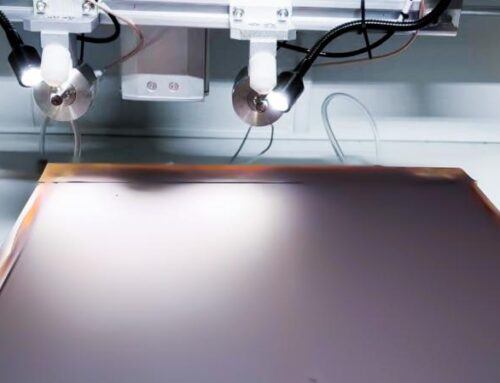
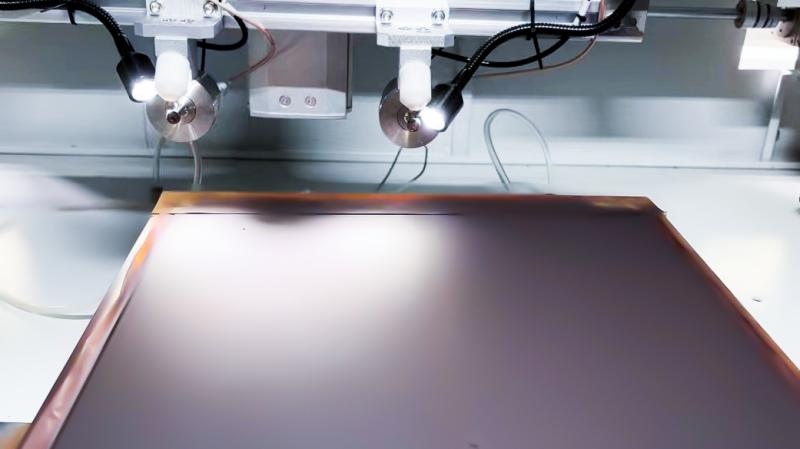
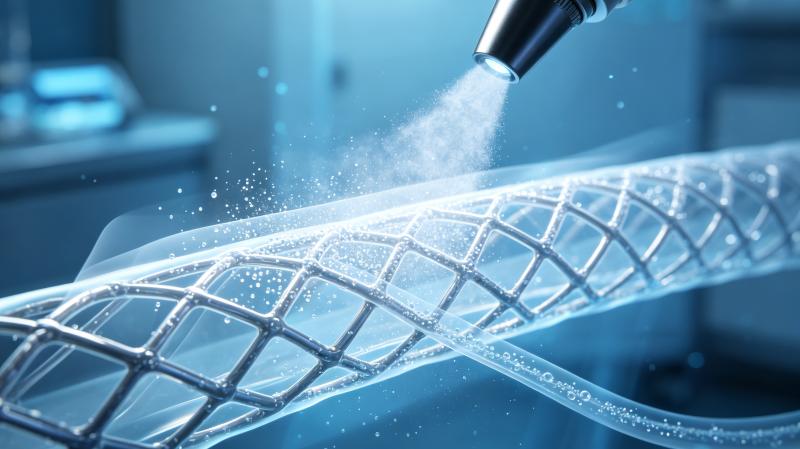
Ultrasonic spraying: The atomized droplets are small and uniform, which can form ultra-thin, uniform, and particle free drug/polymer coatings on the metal filaments of stents. The thickness can be controlled at the micrometer level, and the drug loading consistency is good. It is a commonly used process for mass production of coronary and peripheral stents.
Key points of the process
- Coating thickness: usually 1-5 μ m, too thick is prone to detachment, too thin is insufficient for the total amount of drug
- Bracket expansion test: The coating cannot crack or peel off after the bracket is extended, which is the core reliability indicator
- In vitro testing: drug release curve, platelet adhesion, hemolysis, cytotoxicity, expansion fatigue testing
Common Failure Problems
1. Coating cracking and peeling: deformation caused by stent balloon expansion, determined by the toughness of the process and coating material
2. Drug burst release: Early release of large amounts of drugs, resulting in vascular toxicity; Or release too slowly
3. Inflammatory response: triggered by polymer degradation fragments, promoting the development of degradable polymer/polymer free solutions
4. Late stage thrombosis: Long term presence of polymer and incomplete endothelialization
Differences in coating between coronary stents and peripheral vascular stents
– Coronary stent: thin coating, rapamycin drugs, pursuit of rapid endothelialization, strict control of late stage thrombosis
– Lower limb peripheral stent: high vascular blood flow shear force, higher restenosis rate, higher drug loading, partially using heparin composite coating
About Cheersonic
Cheersonic is the leading developer and manufacturer of ultrasonic coating systems for applying precise, thin film coatings to protect, strengthen or smooth surfaces on parts and components for the microelectronics/electronics, alternative energy, medical and industrial markets, including specialized glass applications in construction and automotive.
Our coating solutions are environmentally-friendly, efficient and highly reliable, and enable dramatic reductions in overspray, savings in raw material, water and energy usage and provide improved process repeatability, transfer efficiency, high uniformity and reduced emissions.
If you have any technical questions, customization demands, or procurement inquiries about ultrasonic atomization nozzles, feel free to contact our professional sales and technical team for detailed parameters, customized solutions, and industry application support.
Email: market2@cheersonic.com