Global Textile Coatings Market to Hit USD 11.0B by 2034
The global textile coatings market is projected to reach USD 11.0 billion by 2034, growing at a CAGR of 5.0% from 2026 onward. This expansion is fueled by surging demand for high-performance textiles across automotive, medical, construction, and protective apparel sectors. At the heart of this transformation lies advanced coating technology — and among the most promising innovations is ultrasonic spray coating.
How Ultrasonic Spray Coating Works
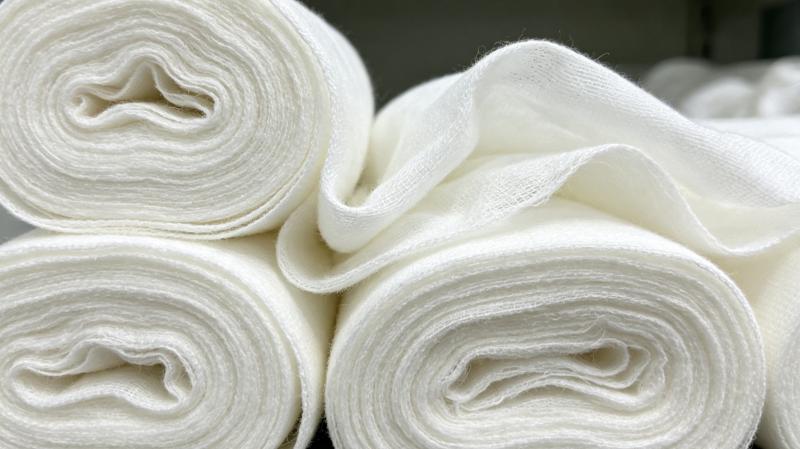
Ultrasonic spray coating utilizes high-frequency mechanical vibrations generated by piezoelectric transducers to atomize liquid formulations into extremely fine, uniformly sized droplets. When electrical signals drive the transducer, vibrations amplify through a horn to the nozzle tip. As liquid flows across the vibrating surface, capillary waves form and intensify until their peaks eject as a soft, low-velocity mist. Unlike conventional air-atomized spraying, this process produces droplets with highly consistent size distribution and minimal rebound, enabling precise, material-efficient deposition onto delicate textile substrates.
Key Application Areas
- Waterproof and Breathable Coatings: Ultrasonic spraying deposits microporous polymer films — typically TPU or PU — that block liquid water through surface tension while allowing vapor transmission. Coating thicknesses in the micrometer range preserve fabric hand feel and flexibility, making the technology ideal for outdoor gear, sportswear, and footwear uppers.
- Antibacterial and Antifouling Treatments: Medical textiles such as surgical gowns, antimicrobial sheets, and wound dressings require sustained pathogen resistance. Ultrasonic spray systems can uniformly deliver silver nanoparticle, graphene-silver composite, or alkyl ketene dimer dispersions, achieving both hydrophobicity and antimicrobial efficacy without compromising breathability.
- Smart and Wearable Electronics: The emergence of MXene-based and graphene-coated fabrics for strain sensors, energy storage, and EMI shielding demands precise, conductive layer deposition. Ultrasonic spray coating excels here by breaking down nanoparticle clusters during atomization, ensuring well-dispersed suspensions and uniform conductive films on flexible substrates.
- Protective and Industrial Textiles: From flame-retardant workwear to chemical-resistant barriers, ultrasonic spraying enables controlled deposition of functional chemistries with minimal overspray and reduced solvent waste.
Technical Advantages
The technology offers several compelling benefits over traditional methods like knife-over-roll or pad-dry-cure processing. First, coating uniformity is exceptional, eliminating thickness variations that compromise protective performance. Second, material utilization rates exceed 95%, compared to roughly 50% for conventional spraying, significantly reducing chemical consumption and environmental impact. Third, the low-velocity mist prevents fabric distortion and fiber damage, preserving tensile strength and drape. Finally, the process supports water-based formulations, aligning with the industry’s shift toward sustainable, low-VOC manufacturing.
Future Outlook
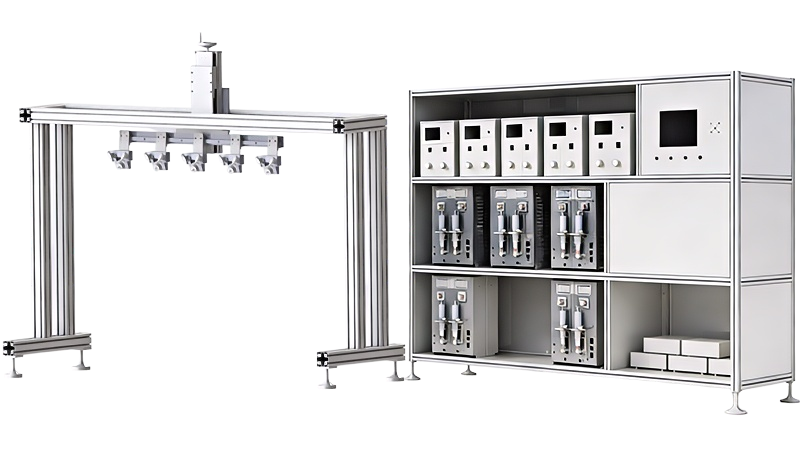
As nanocoatings, smart polymers, and bio-based functional chemistries continue to advance, ultrasonic spray coating is positioned to become a standard platform for next-generation textile manufacturing. Its ability to handle diverse material systems — from nanoparticle suspensions to reactive polymer solutions — while delivering precision, efficiency, and scalability, makes it a cornerstone technology in the evolution of advanced functional textiles.
About Cheersonic
Cheersonic is the leading developer and manufacturer of ultrasonic coating systems for applying precise, thin film coatings to protect, strengthen or smooth surfaces on parts and components for the microelectronics/electronics, alternative energy, medical and industrial markets, including specialized glass applications in construction and automotive.
Our coating solutions are environmentally-friendly, efficient and highly reliable, and enable dramatic reductions in overspray, savings in raw material, water and energy usage and provide improved process repeatability, transfer efficiency, high uniformity and reduced emissions.
If you have any technical questions, customization demands, or procurement inquiries about ultrasonic atomization nozzles, feel free to contact our professional sales and technical team for detailed parameters, customized solutions, and industry application support.
Email: market2@cheersonic.com