AR Coating
AR Coating – Anti-Reflection – Ultrasonic Spraying AR Coating – Cheersonic
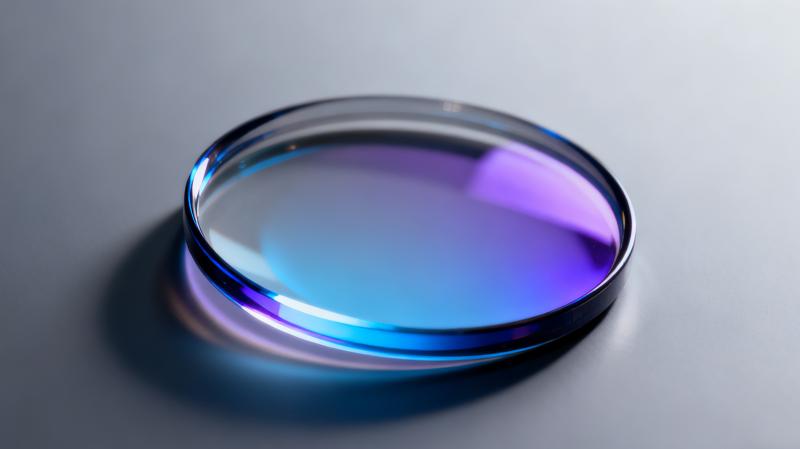
AR coating, or anti-reflective coating, is an optical thin film molded onto the surface of glass or a display. Its purpose is to reduce surface reflection and light reflection, and increase transmittance and transmittance, thereby improving optical performance. The following is a detailed introduction to AR coating:
I. Working Principle
The principle of AR coating is based on the phenomenon of light interference. By coating the surface of an optical element with a high refractive index film of thickness λ/4 (λ is the wavelength of light in the medium), the interference phenomenon between incident and reflected light can be canceled out, thus reducing reflection loss. The key to AR coating is selecting a suitable thin film material whose refractive index matches the refractive index of the optical element surface. By adjusting the thickness and refractive index of the thin film material, better refractive index matching and interference effects can be achieved, thereby reducing reflection loss and improving optical performance.
II. Basic Configuration and Materials
AR coatings typically have three basic configurations: single-layer, double-layer, and triple-layer. Generally, AR coatings have around 4 to 7 layers, but in this case, the basic structure is still three layers, and often one component is split into two layers to adjust properties, or additional layers are added to improve physical properties.
Representative materials for single-layer AR coatings include SiO2 (silicon dioxide) and MgF2 (magnesium fluoride).
Multi-layer AR coatings may contain a wider variety of materials, such as ZrO2 (zirconia), achieving better anti-reflective effects by combining materials with different refractive indices.
III. Application Areas
AR coatings are widely used in various optical components and displays to improve visual experience and optical performance. Here are some key application areas:
Smartphone Screens: AR coatings significantly reduce screen reflections and improve screen clarity, allowing users to enjoy a clear visual experience in any environment.
Automotive Windshields: AR coatings reduce windshield reflections, reduce glare, and improve driver visual comfort and safety.
Camera Lenses: AR coatings reduce lens reflections and increase light transmittance, allowing photographers to capture clearer and more realistic images.
Solar Panels: AR coatings increase the light transmittance of photovoltaic glass while preventing condensation and contamination, improving the power generation efficiency of solar panels.
IV. Market Situation
The global anti-reflective (AR) coating market continues to grow.
With the rapid development of industries such as smartphones, automobiles, and solar cells, the demand for AR coatings is constantly increasing.
Market research reports show that the global anti-reflective (AR) coating market is growing year by year and is expected to maintain stable growth in the coming years.
V. Precautions
While AR coatings offer many advantages, they may also have limitations in certain applications. For example, in applications requiring high contrast (such as nighttime surveillance and astronomical observation), AR coatings may reduce the contrast of optical products, affecting visual effects. Furthermore, the manufacturing process of AR coatings is complex and costly, which may not be an economically viable option for some cost-sensitive applications (such as low-end optical products).
In conclusion, AR coatings, as an advanced optical technology, have demonstrated unique advantages and broad application prospects in multiple fields. With continuous technological advancements and market expansion, AR coatings are expected to play an important role in more areas, bringing greater convenience and benefits to human society.
Ultrasonic Spraying AR Coating
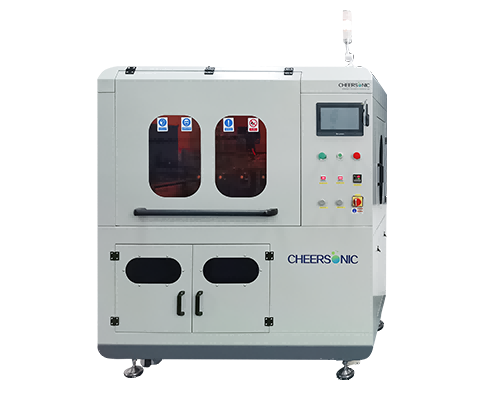
Ultrasonic spraying is an advanced process for preparing high-precision anti reflective (AR) coatings. It uses high-frequency ultrasound to atomize the optical coating solution into uniform and fine micrometer sized droplets, which are deposited on the surface of optical components in a low-pressure and gentle manner. This process can accurately control the coating thickness, achieve nanometer level accuracy, effectively eliminate defects such as pinholes, particle agglomeration, and uneven film thickness, and ensure high transparency and low reflectivity of the coating.
Its spraying process is gentle, without high-speed airflow impact, avoiding substrate damage, and suitable for various optical substrates such as glass and resin. The prepared AR coating has a dense film layer, strong adhesion, and stable optical performance, which can effectively reduce light loss and improve the imaging quality of optical components. It is suitable for high-precision anti reflective coating preparation of optical lenses, display screens, photovoltaic glass and other products, meeting the needs of research and mass production.
About Cheersonic
Cheersonic is the leading developer and manufacturer of ultrasonic coating systems for applying precise, thin film coatings to protect, strengthen or smooth surfaces on parts and components for the microelectronics/electronics, alternative energy, medical and industrial markets, including specialized glass applications in construction and automotive.
Our coating solutions are environmentally-friendly, efficient and highly reliable, and enable dramatic reductions in overspray, savings in raw material, water and energy usage and provide improved process repeatability, transfer efficiency, high uniformity and reduced emissions.
Chinese Website: Cheersonic Provides Professional Coating Solutions
