
Economic Advantages of off Grid Hydrogen Production
Off grid hydrogen production is achieved through direct supply of wind and solar power to electrolytic cells, without the need for grid connection. This model breaks through geographical limitations, eliminates grid connected equipment and transmission and distribution costs, and significantly reduces power transmission costs.
Core values
1. Cost optimization
-Wind and solar electricity prices are significantly lower than traditional power grids, directly reducing the cost of hydrogen production and electricity consumption
-On site consumption of new energy reduces wind and solar waste, enhances the competitiveness of green hydrogen economy
2. Scale potential
-Get rid of the capacity constraints of the power grid and support the construction of large-scale green hydrogen production bases
-Adapt to the fluctuation characteristics of new energy and stabilize power fluctuations through hydrogen energy storage
3. Technological collaborative innovation
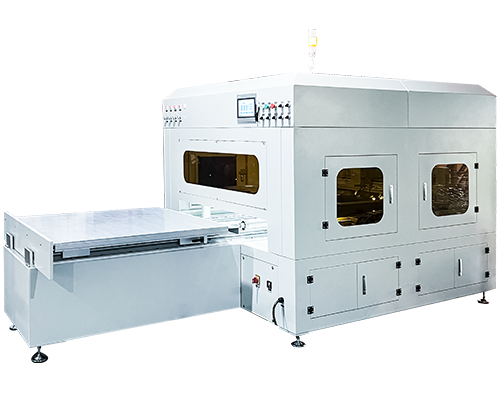
–Ultrasonic spraying technology improves the uniformity of catalyst layer and enhances the stability of electrolytic cell under power fluctuations
-Modular electrolytic cell combined with intelligent control to reduce equipment start-up and shutdown losses
Key Developments
-Cost breakthrough: LCOH for wind solar hydrogen production in Northwest China is expected to decrease to 20 yuan/kg by 2030
-System integration: Intelligent linkage between hydrogen storage device and electrolytic cell, reducing maintenance costs by 40%
-Space expansion: Desert resources in weak areas of the power grid can be developed and utilized
Challenge and Response
1. Wind and solar volatility
-Adopting a wide load electrolytic cell combined with ultrasonic spraying catalyst coating to enhance the fatigue resistance of components
-Real time monitoring of hydrogen purity and establishment of safety protection mechanisms
2. Equipment utilization rate
-Optimize the ratio of wind solar energy storage electrolytic cell capacity, balance initial investment and hydrogen production efficiency
-Develop adaptive control algorithms to improve operational efficiency during low sunlight periods
3. System collaboration
-Build a digital management platform to integrate the full chain control of power generation, energy storage, and hydrogen production
-Using AI to predict power fluctuations and dynamically adjust electrolytic cell operating parameters
Industry Practice
The first 100 megawatt wind solar energy storage hydrogen production coupling project in China has been put into operation, with an annual production capacity of over 70 million standard cubic meters of hydrogen. The project uses multiple alkaline electrolysis cells and achieves stable off grid operation through an intelligent coordination system.
About Cheersonic
Cheersonic is the leading developer and manufacturer of ultrasonic coating systems for applying precise, thin film coatings to protect, strengthen or smooth surfaces on parts and components for the microelectronics/electronics, alternative energy, medical and industrial markets, including specialized glass applications in construction and automotive.
Our coating solutions are environmentally-friendly, efficient and highly reliable, and enable dramatic reductions in overspray, savings in raw material, water and energy usage and provide improved process repeatability, transfer efficiency, high uniformity and reduced emissions.
Chinese Website: Cheersonic Provides Professional Coating Solutions