
Drug Coating for Microchip Implants
In the biomedical field, microchip implants are becoming an important tool for disease diagnosis and treatment. Such microdevices are usually made of biocompatible materials and can be implanted in the human body to achieve real-time monitoring of physiological indicators or precise drug delivery. Among them, drug coating technology, as one of the core innovations of microchip implants, significantly improves the effectiveness and safety of treatment by coating functional materials on the surface of the chip.
Mechanism of drug coating
The core function of drug coating is to maximize the therapeutic effect by controlling the drug release rate and targeting. Its mechanism of action mainly includes the following aspects:
1. Sustained release and controlled release: By coating the surface of the microchip with sustained-release materials, such as polylactic acid (PLA) or polylactic-co-glycolic acid (PLGA), the drug can be slowly released over days or even months, maintaining a stable drug concentration and reducing the need for frequent dosing. For example, in the treatment of osteoporosis, implantable chips can activate drug release through remote control to ensure accurate drug delivery and avoid the side effects of traditional oral drugs.
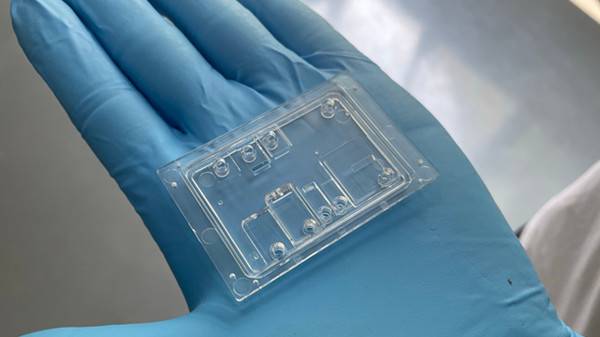
2. Anti-fouling and anti-adsorption: Certain coating materials such as perfluoropolyether (PFPE) have slippery and anti-fouling properties, which can prevent biomacromolecules (such as plasma proteins) from adsorbing on the chip surface, reducing inflammatory responses and thrombosis. The PreD chip developed by Yonsei University in South Korea effectively prevents the accidental absorption of small molecule drugs through PFPE coating, improving the accuracy of drug testing.
3. Intelligent response: Intelligent responsive coatings can dynamically adjust drug release according to changes in the body environment (such as pH, temperature, and redox state). For example, coatings based on γ-polyglutamic acid (γ-PGA) can respond to the reducing compound glutathione (GSH) to release antibacterial drugs at the site of infection and achieve intelligent sterilization.
Types and applications of drug coatings
Drug coatings are of various types, and different materials and structures can be selected according to treatment needs:
1. Antibacterial coatings: Inhibit bacterial adhesion and biofilm formation by loading antibiotics or metal ions (such as silver nanoparticles). For example, the dual-catalytic mode coating developed by Xi’an Jiaotong University combines Na₂TiO₃ nanotubes and CeO₂ nanodots to generate high temperature and reactive oxygen species (ROS) under near-infrared light to synergistically kill bacteria, while removing ROS through enzyme-like activity under non-light conditions to promote diabetic wound healing.
2. Anti-inflammatory coating: used to reduce the inflammatory response around implants and promote tissue integration. The Janus nanocoating developed by Shanghai Jiaotong University has an inner layer of adhesive polyphenols and an outer layer of lubricating zwitterionic polymers, which can form a long-lasting and comfortable drug delivery system on the ocular surface and significantly reduce the inflammatory response after corneal injury.
3. Pro-regenerative coating: Promotes tissue repair and regeneration by releasing growth factors or extracellular matrix components. The glucose-gated nanocoating developed by Sichuan University combines glucose oxidase (GOx) and carbonyl manganese nanocrystals (MnCO) to release carbon monoxide (CO) and manganese ions in a hyperglycemic environment, synergistically resist bacteria and promote bone integration.
Challenges and Future Development
Although drug coating technology has made significant progress, it still faces the following challenges:
1. Biocompatibility and long-term stability: The degradation products of coating materials in the body may trigger immune responses and affect long-term safety. For example, Parylene-C coatings may cause microcracks to form due to mechanical stress after long-term implantation.
2. Accuracy of drug release control: How to achieve on-demand drug release is still a difficult problem. For example, the triggering mechanism of smart responsive coatings needs to be further optimized to ensure efficient release under specific pathological conditions.
3. Complexity of preparation process: High-precision coating technology (such as ultrasonic spraying) has high requirements for equipment and operation, which limits its large-scale application.
In the future, the development direction of drug coating technology includes:
1. Application of nanotechnology: Nanomaterials (such as mesoporous silica and metal organic frameworks) can increase drug loading and release controllability. For example, Ag@CD@p-ATP@FA nanoparticles achieve targeted imaging and drug delivery monitoring of cancer cells through surface enhanced Raman spectroscopy (SERS).
2. 3D printing and personalized design: 3D printing technology can customize the coating structure and achieve precise control of the spatial distribution of drugs. For example, through aerosol jet printing technology, a bionic nanocoating can be constructed on the surface of a neural probe to simulate the mechanical properties of brain tissue and achieve sustained release of anti-inflammatory drugs.
3. Multimodal synergistic therapy: Combine multiple treatment mechanisms (such as photothermal therapy, gene delivery) to develop multifunctional coatings. For example, metal-organic framework (MOFs) coatings can simultaneously load chemotherapy drugs and photothermal agents to achieve combined treatment of tumors.
Conclusion
Drug coating technology has opened up new possibilities for the clinical application of microchip implants. By precisely controlling drug release, improving biocompatibility and enhancing therapeutic effects, this type of technology is expected to achieve breakthroughs in cardiovascular disease, diabetes, cancer and other fields. With the continuous integration of materials science, nanotechnology and biomedical engineering, drug-coated microchip implants will provide more efficient and safe solutions for personalized medicine. In the future, we look forward to the widespread application of this technology in clinical practice and bring more benefits to human health.
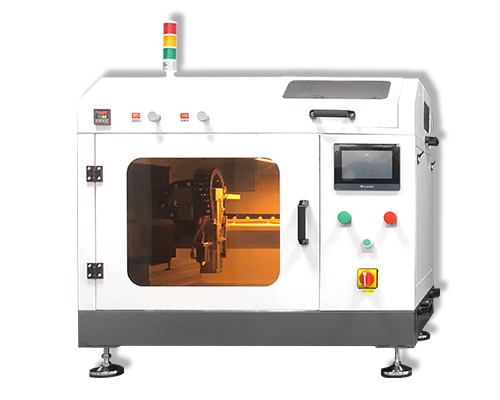
Cheersonic provides coating equipment for implantable filtration membranes that are used to divert or restrict fluid flow in the human body. Cheersonic’s ultrasonic coating technology is the industry standard for implantable stent coating manufacturers worldwide. For decades, our ultrasonic coating systems have been used to spray anti-restenotic drug eluting polymer solutions onto implantable stents. We have expertise in spraying hundreds of different medical grade polymer chemistries, polytetrafluoroethylene (PTFE), polyurethanes, and drug eluting chemistries. Conductive coatings for biosensors or electrodes can also be achieved with ultrasonic spraying. This soft atomized spray adheres well to surfaces, forming highly precise, uniform, and ultra-thin coatings.
Compared to other coating methods, ultrasonic spraying can achieve thinner coating thicknesses and can spray specific areas in layers with high repeatability. Because the ultrasonic nozzle is designed to prevent clogging, the spray quality will not deteriorate over time due to gradual clogging as with pressure nozzle processes.
Advantages of ultrasonic spraying for implantable coatings:
– Highly controllable and repeatable spraying process
– Anti-clogging ultrasonic technology
– Microliter/hour flow rate spraying is possible
– Droplet size is as small as 9 microns (when using organic solvents), and droplet distribution is highly concentrated
– Supports layered spraying of different chemical materials
– Uniform micron-level ultra-thin coating is very suitable for porous membranes and implantable filters
– The coating is durable and not easy to peel or flake
About Cheersonic
Cheersonic is the leading developer and manufacturer of ultrasonic coating systems for applying precise, thin film coatings to protect, strengthen or smooth surfaces on parts and components for the microelectronics/electronics, alternative energy, medical and industrial markets, including specialized glass applications in construction and automotive.
Our coating solutions are environmentally-friendly, efficient and highly reliable, and enable dramatic reductions in overspray, savings in raw material, water and energy usage and provide improved process repeatability, transfer efficiency, high uniformity and reduced emissions.
Chinese Website: Cheersonic Provides Professional Coating Solutions