Solid Oxide Fuel Cells (SOFCs): Principles, Types, and Characteristics
Working Principle of SOFCs
As an advanced energy conversion technology, solid oxide fuel cells (SOFCs) directly convert the chemical energy contained in hydrocarbon fuels into electrical and thermal energy through electrochemical reactions. Their core advantages are significant, including a wide range of fuel compatibility, high energy conversion efficiency, high waste heat utilization value, low noise operation, low pollutant emissions, and support for modular assembly, allowing for flexible and diverse application scenarios.
A complete SOFC system mainly consists of two parts: the core stack and the peripheral auxiliary units (BOP). The stack is the core device for energy conversion, directly undertaking the task of converting chemical energy into electrical energy. The peripheral auxiliary units operating around the stack form a support system, encompassing air supply and preheating modules, fuel supply and reforming modules, exhaust gas recovery modules, power management modules, and a central control module. These units work together to ensure stable system operation.
The energy conversion in SOFCs is based on a high-temperature electrochemical process, typically operating in the temperature range of 650–950°C. Its core component uses solid oxide ceramics (commonly zirconium oxide) as the electrolyte. This special material not only enables efficient conduction of oxygen ions (O²⁻), but also plays a crucial role in isolating air from fuel, preventing direct mixing and potential safety issues.
The specific reaction process is as follows: Fuel (mostly hydrogen obtained through hydrocarbon reforming) diffuses through the anode to the electrolyte interface; simultaneously, after air contacts the cathode surface, the oxygen in it is converted into oxygen ions under the catalytic action of the cathode. These oxygen ions diffuse through the electrolyte to the anode side, where they undergo an electrochemical reaction with the fuel. During this process, electrons cannot pass through the electrolyte and must flow back to the cathode via an external circuit, forming a continuous current, thereby achieving a stable output of electrical energy.

Main Types of SOFCs
Based on the differences in the structural design of the core unit components, SOFCs are mainly divided into two major technical routes: tubular and planar. The tubular structure is known for its excellent sealing performance and outstanding long-term operational stability; the planar structure, due to its short current conduction path, has the advantage of higher power density. Each is suitable for different application requirements.
1. Tubular Structure
The tubular SOFC is the earliest developed and relatively mature structural form. Its power generation unit adopts a tubular design with one end closed and the other open. From the inside out, a porous support tube, anode layer, electrolyte layer, and cathode film are stacked sequentially to form a complete reaction carrier.
The gas supply for this structure uses an “internal fuel, external air” mode. Fuel is input through the tube core channel, while air contacts the cathode through the outer wall of the tube. In terms of structural advantages, the tubular unit has high degrees of freedom, uniform stress, and is less prone to cracking; using porous ceramic as the support substrate, the overall structure is robust and reliable; at the same time, its excellent sealing performance ensures long-term operational stability.
In terms of system assembly, the tubular unit is relatively easy to connect, and high-power battery packs can be constructed by combining them in series and parallel. However, its inherent defects are also quite obvious: the larger electrode spacing leads to a longer current conduction path, increased internal resistance loss, and ultimately a relatively lower power density.
2. Planar Structure
Planar SOFC adopts a simple layered structure design. A single cell is composed of three thin films: anode, electrolyte, and cathode, stacked sequentially. The manufacturing cost is lower than that of the tubular type. Adjacent cells are connected via connectors with guide channels on both sides. These connectors not only connect the cathodes and anodes of adjacent cells but also create independent gas channels on both sides, ensuring isolated supply of air and fuel.
This structure places more stringent requirements on key components: the edges of the battery modules must employ high-temperature resistant sealing technology to prevent oxygen and fuel gas from mixing; the bipolar connecting plates must meet multiple performance indicators, achieving good thermal matching with the electrode materials while possessing excellent high-temperature oxidation resistance and conductivity to ensure long-term stable system operation.
Core Features of SOFC
1. High Energy Conversion Efficiency
SOFC utilizes fuel energy through direct electrochemical conversion, abandoning the “combustion for work” conversion path in traditional energy utilization. This fundamentally reduces losses during energy transfer, achieving a power generation efficiency of 50%–60%. Particularly noteworthy is that its efficiency is not limited by system scale; even in small-scale distributed power generation scenarios, it can maintain highly efficient and stable energy output.
2. Strong Fuel Adaptability
Thanks to its high-temperature operating characteristics, SOFC has extremely low fuel selectivity, allowing it to utilize various energy carriers directly or after simple processing, including natural gas, biogas, ethanol, and methanol. This flexible and diverse fuel supply adapts to different regional energy endowments.
3. Low Operating Noise
During SOFC power generation, apart from minor noise from external auxiliary systems, the core stack has no high-power rotating parts, resulting in extremely low overall operating noise. This characteristic makes it suitable for noise-sensitive environments such as residential communities and office buildings, expanding its application scope.
4. Significant Advantages of Solid-State Structure
Using solid oxides as the electrolyte eliminates the need for precious metal catalysts in SOFC, reducing core material costs and extending system lifespan. Simultaneously, the solid-state structure simplifies overall system design, facilitates large-scale manufacturing, and further controls industrial implementation costs.
5. Excellent Environmental Emission Performance
The nature of electrochemical reactions means that SOFC power generation produces virtually no particulate matter, sulfides, or other pollutants. Meanwhile, due to its high energy conversion efficiency, SOFC systems consume significantly less fuel than traditional power generation methods for the same power generation demand, indirectly reducing total carbon dioxide emissions and aligning with low-carbon development requirements.
6. Flexible Modular Design
SOFC systems employ a standardized modular design, featuring convenient installation, a small footprint, and a short construction period. The number of modules can be flexibly increased or decreased according to actual power demand. This design significantly lowers the barrier to entry for widespread application and is suitable for various scenarios such as distributed energy and backup power.
Solid Oxide Fuel Cell Substrate Coating
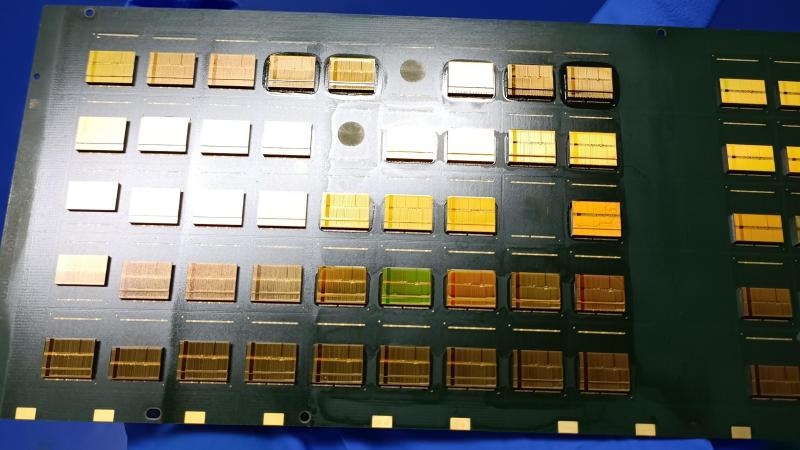
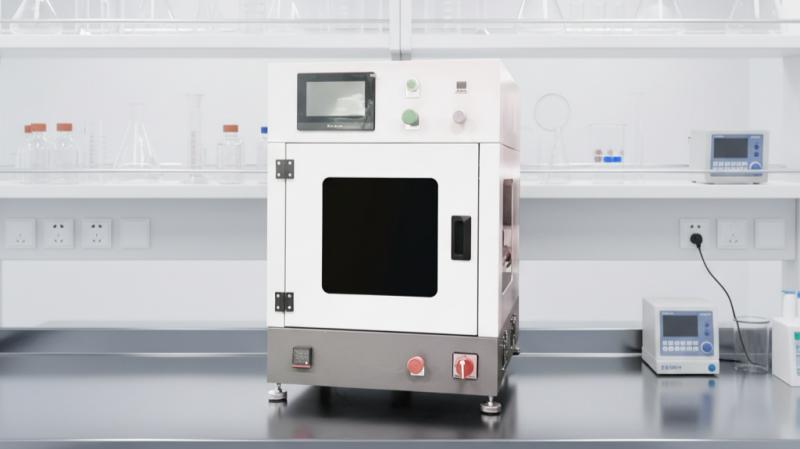
Ultrasonic coating systems also support substrates of solid oxide fuel cells anode, cathode, and electrolyte-adjacent layers. Ultrasonic coating technologies can apply ceramic slurries, metal oxide suspensions, and functional coatings onto SOFC electrodes and other high-temperature substrates while maintaining uniformity. The soft ultrasonic plume improves adhesion on porous ceramics and complex geometries, supporting durable SOFC stack performance.
About Cheersonic
Cheersonic is the leading developer and manufacturer of ultrasonic coating systems for applying precise, thin film coatings to protect, strengthen or smooth surfaces on parts and components for the microelectronics/electronics, alternative energy, medical and industrial markets, including specialized glass applications in construction and automotive.
Our coating solutions are environmentally-friendly, efficient and highly reliable, and enable dramatic reductions in overspray, savings in raw material, water and energy usage and provide improved process repeatability, transfer efficiency, high uniformity and reduced emissions.
If you have any technical questions, customization demands, or procurement inquiries about ultrasonic atomization nozzles, feel free to contact our professional sales and technical team for detailed parameters, customized solutions, and industry application support.
Email: market2@cheersonic.com