
Plastic Laser Welding: A New Precision and Reliable Method for Plastic Joining
Plastic laser welding is a non-contact joining technology for polymer materials that has become a key solution for assembling plastic components in industries such as automotive, medical, electronics, and new energy. Thanks to its high precision, low stress, and clean, debris-free process, it offers significant advantages over traditional methods like ultrasonic welding—where heat is generated through mechanical vibration and friction—or conventional techniques such as hot-melt bonding and adhesive gluing. In plastic laser welding, a specific wavelength of laser penetrates the top transparent layer of plastic and is absorbed by the underlying light-absorbing layer, converting into thermal energy. The contact surfaces melt locally and fuse under pressure; upon cooling, a strong, sealed weld is formed.
This technique offers numerous unique benefits. The welding process generates no vibration or impact, protecting delicate internal components. The resulting welds are smooth and aesthetically pleasing, enabling reliable hermetic sealing suitable for applications requiring strict air- and water-tightness. It features fast processing speeds, compatibility with automated production lines, and consistent yield rates. With minimal waste and no need for additional adhesives, it is also more environmentally friendly. However, there are inherent limitations: most conventional approaches require one transparent and one light-absorbing plastic layer, necessitating precise matching of their optical properties. Welding between two transparent plastics has long been a major challenge in the industry.
To overcome this barrier, the Clear-on-Clear Plastic Laser Welding Liquid Ultrasonic Deposition System has been developed and applied. This system uses ultrasonic deposition to precisely apply an ultra-thin functional absorption liquid onto the interface between two transparent plastic layers. The coating thickness is controllable and evenly distributed, avoiding widespread contamination of the workpiece surface. When the laser passes through the upper transparent layer and reaches the interface, the thin absorption layer captures the laser energy, generating localized melting heat at the joint. This enables laser welding between transparent plastics, fundamentally breaking the traditional constraint that one layer must be light-absorbing.
This ultrasonic deposition-assisted approach significantly expands the material range for plastic laser welding, allowing self-welding of various transparent engineering plastics such as PC, PMMA, COC, and PETG. Products including transparent microfluidic chips and consumable housings in the medical field, lens assemblies in optics, and transparent enclosures in consumer electronics can now be manufactured without incorporating light-absorbing colorants into the base materials, preserving the original high transparency and colorless appearance of the plastics. The coating usage is minimal, and the resulting interlayer is thin, ensuring negligible impact on the component’s optical performance.
Of course, plastic laser welding still requires meticulous process control. Deviations in parameters such as laser power, welding speed, clamping pressure, or coating uniformity may lead to issues like cold welding, burn-through, or yellowing of the weld seam. Different plastic grades vary in thermal expansion coefficients and melting temperatures, requiring prior process optimization. With the integration of the ultrasonic deposition system, the process window broadens, greatly improving repeatability in transparent part welding.
Looking ahead, growing demands for lightweight, miniaturized, and highly clean products continue to expand the application scope of plastic laser welding. The maturation of clear-on-clear welding solutions further enhances design freedom, eliminating the need for engineers to alter material types or colors solely to meet welding requirements. This allows seamless integration of aesthetic appeal, optical performance, and structural sealing, offering a fresh perspective for the assembly of precision plastic components.
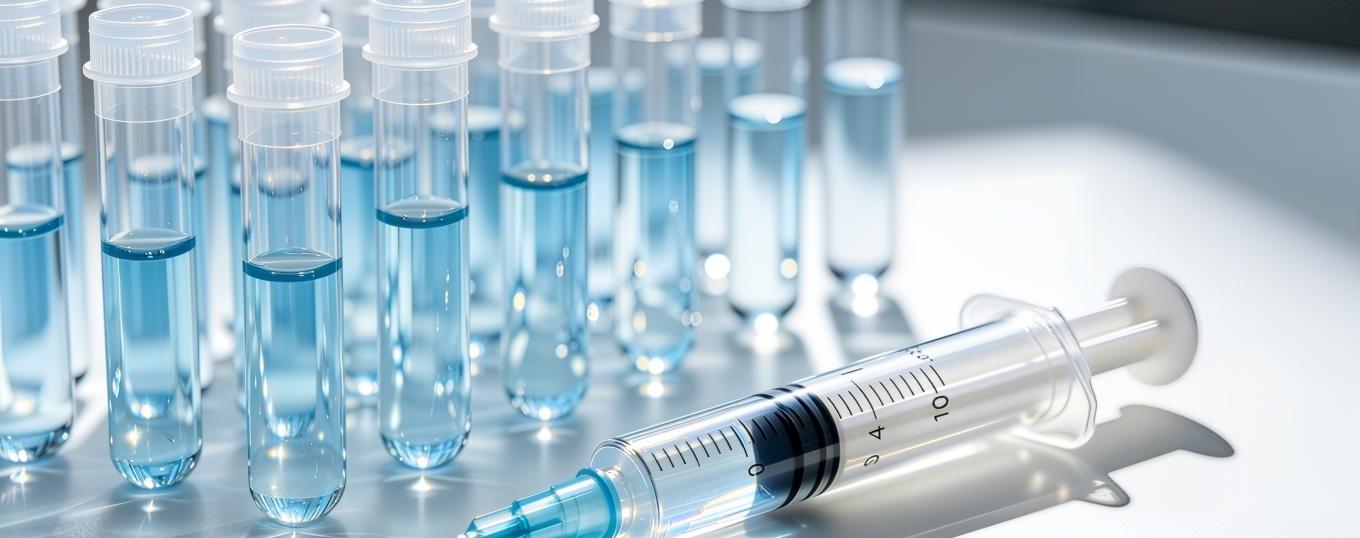
Plastic Laser Welding Technology
Plastic Laser Welding Technology Plastic laser welding is a [...]
To reach our anytime via email please fill out the form below with your request and a company representative will reply to you. To find your local CHEERSONIC representative to connect directly click your region in the contact drop down menu.
Contact CHEERSONIC For immediate assistance please contact us the corporate headquarters during business hours at 6:00 am – 22:00 pm.
Tel: 0571-87910406
- Mobile: +86 15869049660
- Email: Market2@cheersonic.com
Add: 11-13 Chuangye Road, Changkou, Fuyang, Hangzhou, Zhejiang, China
