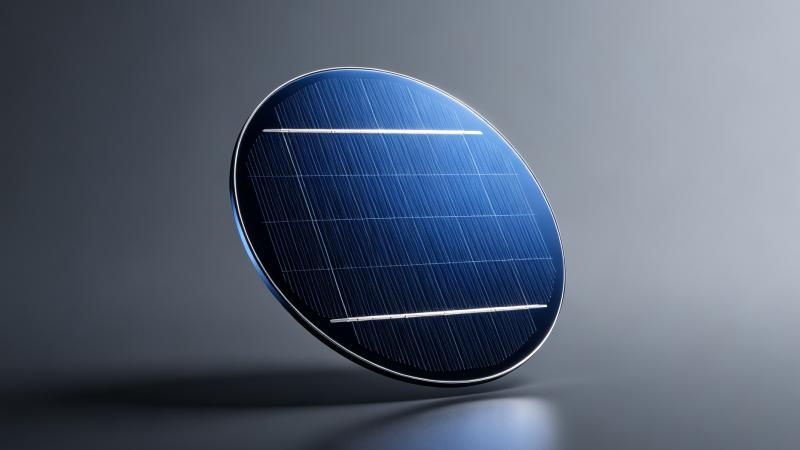
Lab Automatic Membrane Electrode Spraying Equipment
Lab Automatic Membrane Electrode Spraying Equipment | Precise MEA Catalyst Coating System
Against the backdrop of the global energy structure transitioning towards cleanliness and low-carbon, technologies such as hydrogen fuel cells, electrolysis of water for hydrogen production, electrochemical reduction of carbon dioxide, and electrochemical synthesis are becoming key directions for promoting energy transformation and industrial green upgrading. And the core support of these technologies cannot be separated from the crucial core component of electrochemical devices – membrane electrodes. The performance of membrane electrodes directly determines the energy conversion efficiency, stability, and service life of electrochemical devices. The refinement of their structural design and preparation processes is also a core factor affecting the transition of related technologies from laboratory research and development to industrial application.

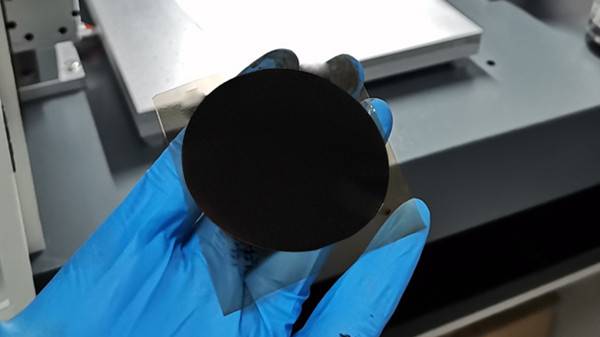
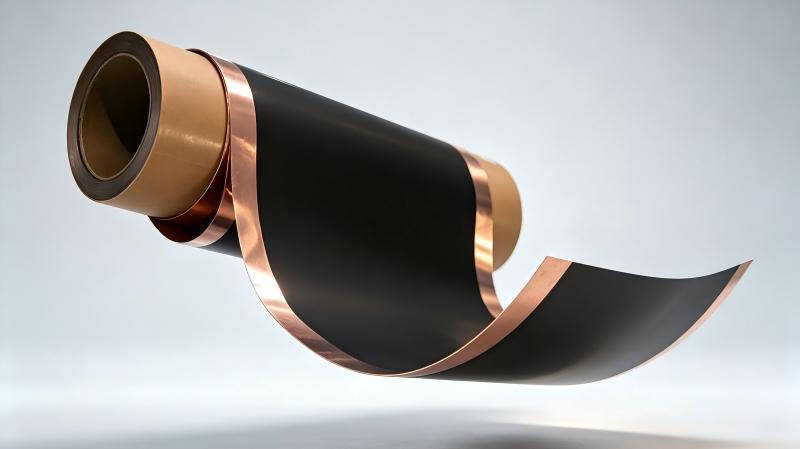
From a structural perspective, membrane electrodes are typically composed of a proton exchange membrane, a catalyst layer, and a gas diffusion layer. The uniformity, thickness control, and interfacial bonding between the catalyst layer and other layers play a decisive role in charge transfer and material diffusion efficiency. In the current research on laboratory level membrane electrodes, spray coating technology has become the mainstream preparation method due to its strong controllability and high coating uniformity, in order to achieve precise coating of catalysts and optimize the microstructure design of catalyst layers. Compared with traditional manual coating or scraping processes, spray coating technology can effectively avoid problems such as uneven coating thickness and catalyst agglomeration, significantly improving the repeatability and reliability of experimental data. Spray coating equipment has become the core tool for laboratory membrane electrode research and small-scale preparation work.
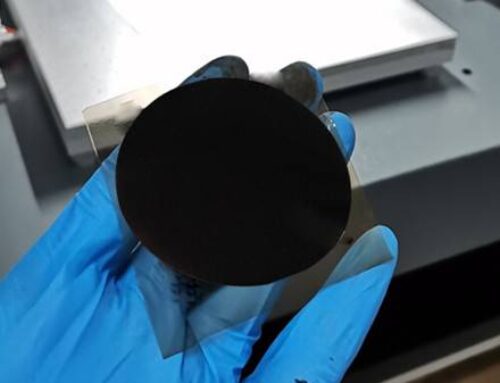
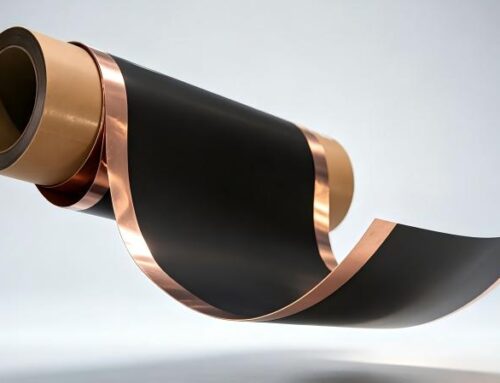
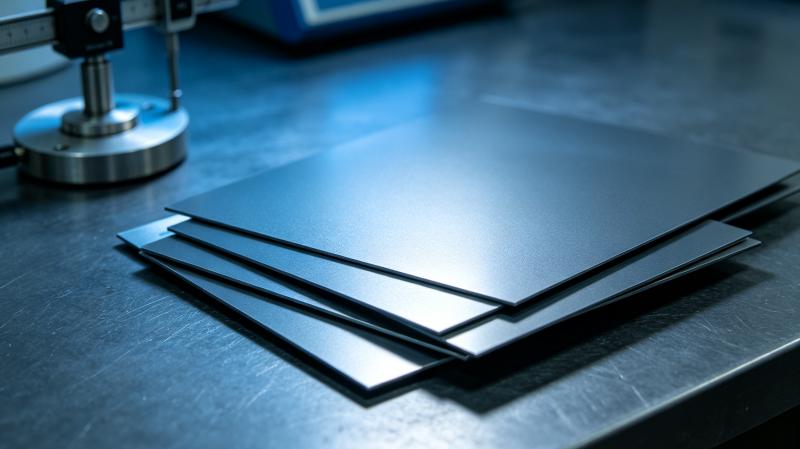
In the specialized field of spray coating technology, ultrasonic spray carbon paper technology has demonstrated unique advantages. Carbon paper, as a commonly used substrate for gas diffusion layers, has a porous structure on its surface. It is necessary to form a uniform catalyst layer on its surface through spraying technology, while avoiding pore blockage that affects gas transmission. Ultrasonic spraying technology utilizes high-frequency ultrasonic vibration to atomize catalyst slurry into tiny droplets. The atomized droplets have uniform size and mild kinetic energy, and can accurately adhere to the surface of carbon paper, ensuring the density and uniformity of the catalyst layer without damaging the original porous structure of the carbon paper. This effectively balances the catalyst loading and gas diffusion performance, providing key technical support for optimizing the performance of membrane electrodes.
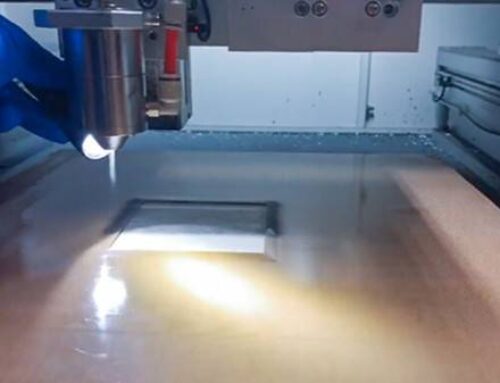
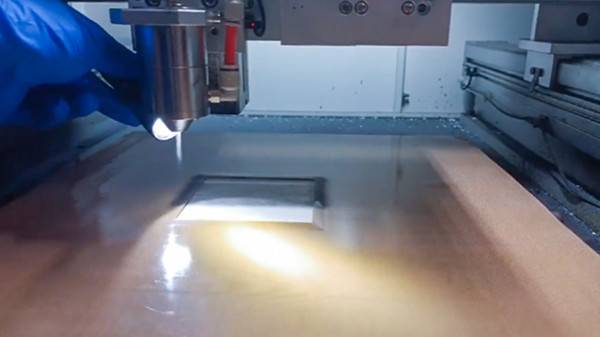
The fully automatic membrane electrode spraying equipment specially designed for laboratory research and development is a specialized equipment designed for the preparation needs of small and medium-sized membrane electrodes. This device has full automation control function, which can accurately adjust parameters such as spraying speed, droplet size, coating thickness, and spraying range through program settings, avoiding errors caused by manual operation, ensuring high consistency of membrane electrode samples prepared each time, and providing stable sample preparation guarantee for performance comparison and process parameter optimization experiments of different catalyst formulations.
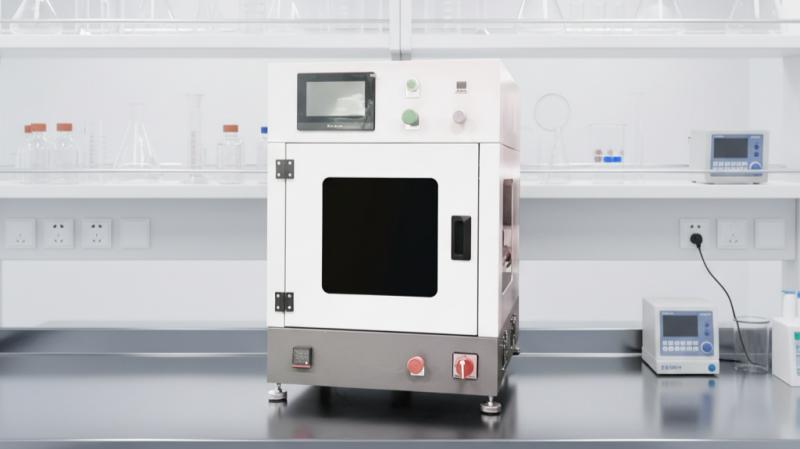
From the perspective of applicable scenarios, this device can be widely used in various laboratory settings: in hydrogen fuel cell research, it can be used to prepare small and medium-sized membrane electrodes with different catalyst ratios and test their power generation efficiency under different operating conditions; In the experiment of hydrogen production by electrolysis of water, the thickness of the catalyst layer can be controlled by precise spraying to explore its impact on electrolysis efficiency and energy consumption; In the research of carbon dioxide electrochemical reduction and electrochemical synthesis, membrane electrode samples suitable for different reaction systems can also be prepared according to experimental needs, helping researchers to explore reaction mechanisms and process optimization directions in depth. The application of this device not only improves the efficiency and accuracy of laboratory membrane electrode preparation, but also provides important equipment support for breakthroughs in related electrochemical technologies.
About Cheersonic
Cheersonic is the leading developer and manufacturer of ultrasonic coating systems for applying precise, thin film coatings to protect, strengthen or smooth surfaces on parts and components for the microelectronics/electronics, alternative energy, medical and industrial markets, including specialized glass applications in construction and automotive.
Our coating solutions are environmentally-friendly, efficient and highly reliable, and enable dramatic reductions in overspray, savings in raw material, water and energy usage and provide improved process repeatability, transfer efficiency, high uniformity and reduced emissions.
If you have any technical questions, customization demands, or procurement inquiries about ultrasonic atomization nozzles, feel free to contact our professional sales and technical team for detailed parameters, customized solutions, and industry application support.
Email: market2@cheersonic.com