
Medical consumables and wound materials: from “covering wounds” to “active repair”
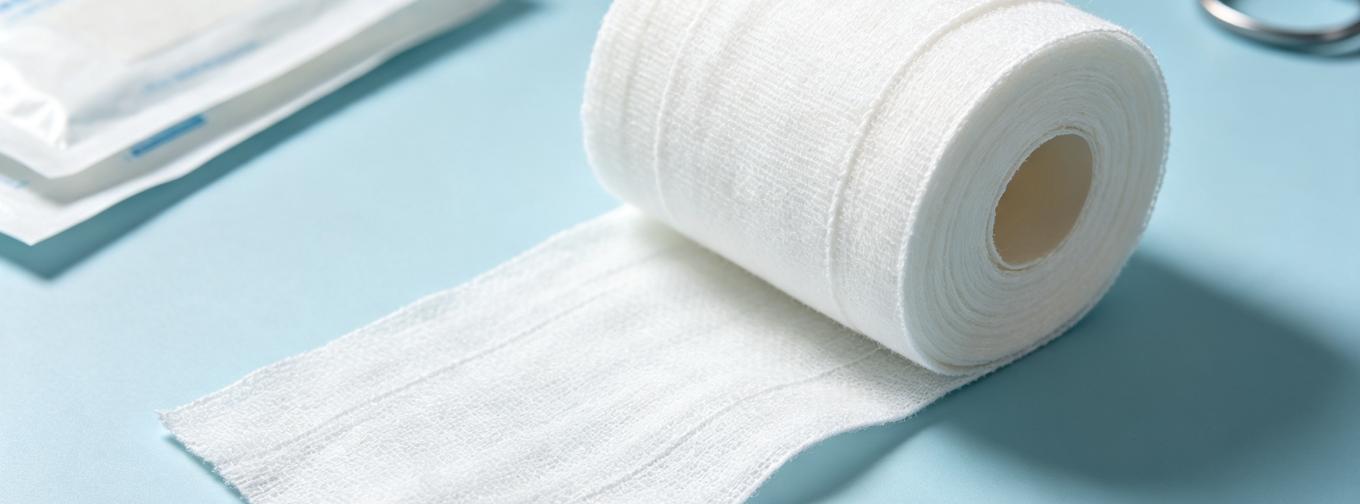
Traditional gauze can only passively suck blood and isolate bacteria, while modern medical textiles are being endowed with triple abilities – antibacterial, hydrophilic, and biologically active. Antibacterial agents rely on loading silver ions or quaternary ammonium salts onto the surface of dressings to inhibit pathogenic bacteria; Hydrophilic fibers can quickly absorb exudate and maintain a moist environment through modified fibers such as alginate; Biological activity involves uniformly loading growth factors or active peptides through precision spraying technology, upgrading the dressing from “passive coverage” to “active induced repair”. Among them, ultrasonic spraying uses high-frequency ultrasound to atomize the drug solution into micrometer sized droplets for uniform deposition, with precise drug loading, thin and uniform coating, and will not damage active proteins, making it particularly suitable for loading thermosensitive substances such as growth factors.
A blood collection tube may seem simple, but its inner wall hides a precise coating. Anticoagulants (such as EDTA-K ₂, heparin lithium) need to be coated on the tube wall with a very thin and uniform film layer to ensure that the blood is fully mixed with the anticoagulant after blood collection, preventing coagulation or hemolysis; Uneven coating will directly affect the inspection results. The inner wall coating of the syringe barrel focuses on lubrication and drug compatibility – the siliconized coating reduces the friction of the push rod, and the special inert coating reduces the adsorption of biological agents such as insulin on the tube wall, ensuring accurate drug delivery. In this field, ultrasonic spraying can achieve 360 ° uniform coating on the inner wall of the tube, with controllable coating thickness at the micrometer level. The drug utilization rate is high and there is no splashing pollution, meeting the high cleanliness requirements of medical devices.
The competition for medical consumables, from wound dressings to blood collection tubes, is no longer about “having or not having”, but about “coating precision and activity stability”. Precision manufacturing technologies such as ultrasonic spraying are making these “inconspicuous” medical consumables safer, more accurate, and more intelligent, providing a bottom layer guarantee for the reliability of clinical treatment and testing results.
Medical Consumables Coating
Medical Consumables Coating Medical consumables — from wound [...]