Ultrasonic Atomization Spraying of Carbon Nanotubes
Ultrasonic atomization spraying of carbon nanotubes: a cutting-edge technology for accurately empowering nano functional coatings
In the era of deep integration of nanomaterials and precision manufacturing, carbon nanotubes have become core functional materials in fields such as electronics, energy, aerospace, etc. due to their extraordinary conductivity, mechanical strength, and chemical stability. However, the extremely high specific surface area and surface energy of carbon nanotubes make them prone to aggregation and entanglement. How to deposit them uniformly and controllably on the substrate surface has long been a key bottleneck restricting their application. The rise of ultrasonic atomization spraying technology provides an ideal solution for the efficient dispersion and precise coating of carbon nanotubes, and is driving the nano coating preparation process towards a new stage of precision, efficiency, and greenness.
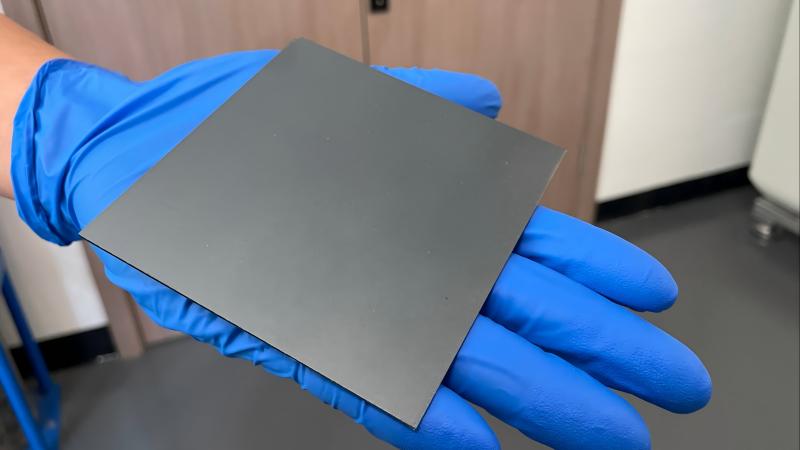
The core principle of ultrasonic atomization spraying carbon nanotubes is to maximize the dual effect of high-frequency ultrasonic energy. On the one hand, during the pre-treatment stage of carbon nanotube dispersion, the ultrasonic cavitation effect generates local high temperature, high pressure, and microjet, like a “nano surgical knife” accurately unraveling the agglomeration and entanglement of carbon nanotubes, forming a stable and uniform dispersion system in the solvent, and solving the problem of material agglomeration from the source. On the other hand, during the spraying process, the piezoelectric transducer converts electrical energy into high-frequency mechanical vibrations ranging from 25kHz to 180kHz, which are transmitted to the nozzle tip to form a standing wave. This causes the dispersed carbon nanotube liquid flowing through to be shattered into droplets of several tens of micrometers in size and height at the liquid gas interface. These droplets have extremely low initial kinetic energy and can settle gently like clouds and mist with only a trace amount of carrier gas guidance, avoiding the problems of carbon nanotube structure fracture, coating defects, and substrate damage caused by excessive droplet impact force in traditional high-pressure spraying.
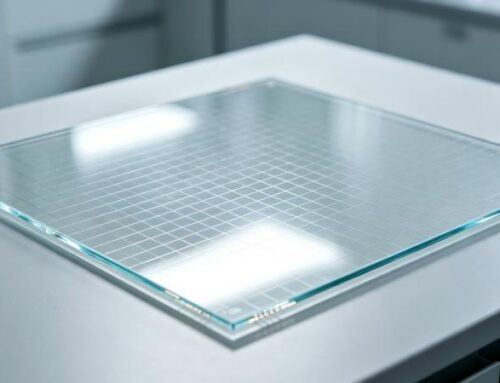
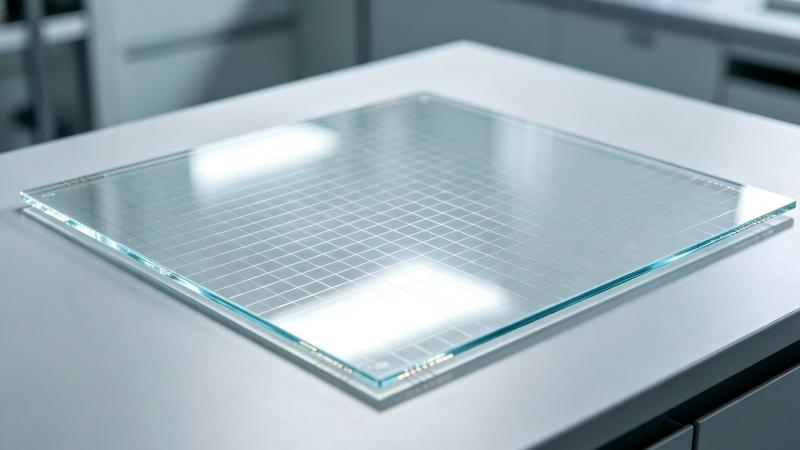
Compared with spin coating, scraping coating, traditional pneumatic spraying and other processes, ultrasonic atomization spraying of carbon nanotubes has significant technical advantages. Firstly, the coating has excellent uniformity, with uniform droplets fundamentally eliminating the “coffee ring effect”, ensuring that the thickness, conductivity, and surface morphology of the large-area coating are highly consistent. Secondly, the process has extremely strong controllability. By accurately adjusting parameters such as atomization frequency, spraying distance, flow rate, and number of layers, precise control of coating thickness can be achieved at the nanometer to micrometer level, meeting the customized needs of different devices. Thirdly, the material utilization rate is extremely high, with directional deposition and low splashing characteristics resulting in a utilization rate of over 90% for carbon nanotubes, significantly reducing the loss of this expensive nanomaterial and aligning with the concept of green manufacturing. Fourthly, the process is mild and compatible, without the need for high temperature and high pressure. It is suitable for various thermosensitive and fragile substrates such as glass, plastic, and flexible films, especially for continuous production modes such as roll to roll.
The application of this technology has covered multiple high-precision and cutting-edge fields, demonstrating strong industrial empowerment capabilities. In the field of flexible electronics, carbon nanotube transparent conductive films prepared by ultrasonic atomization spraying have high transmittance, excellent conductivity, and bending resistance, which can replace traditional brittle indium tin oxide electrodes and be applied to foldable screens, flexible sensors, and wearable devices. After thousands of bending cycles, the resistance change rate is still less than 5%. In the field of new energy, it can uniformly coat carbon nanotube conductive networks on lithium-ion batteries and fuel cell electrodes, enhance electron transport and ion diffusion, improve battery energy density, charge and discharge efficiency, and cycle life. Tests have shown that the power density of fuel cell electrodes can be increased by 25%. In addition, in scenarios such as electromagnetic shielding coatings for aerospace, transparent heating films for smart glass, and sensitive films for biomedical sensors, carbon nanotube ultrasonic spray coatings have become an ideal substitute for traditional materials due to their lightweight, efficient, and stable characteristics.
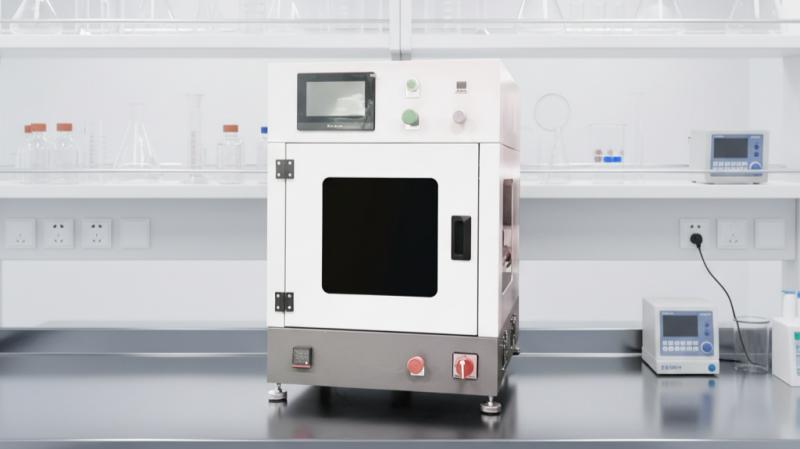
Despite significant technological advantages, ultrasonic atomization spraying of carbon nanotubes still faces some challenges, such as stable atomization of high solid content carbon nanotube slurry, uniformity control of large-area coatings, and cost optimization for large-scale production. Further breakthroughs are needed through formula optimization and equipment intelligent upgrading. But there is no doubt that with the synergistic progress of nano dispersion technology and precision manufacturing processes, ultrasonic atomization spraying is becoming a key bridge to unleash the potential of carbon nanotube materials. It is not only a coating preparation method, but also a comprehensive platform that integrates material dispersion, structural control, and performance optimization, providing solid support for the iterative innovation of advanced functional devices and continuously promoting high-end manufacturing towards more precision, efficiency, and sustainability.
About Cheersonic
Cheersonic is the leading developer and manufacturer of ultrasonic coating systems for applying precise, thin film coatings to protect, strengthen or smooth surfaces on parts and components for the microelectronics/electronics, alternative energy, medical and industrial markets, including specialized glass applications in construction and automotive.
Our coating solutions are environmentally-friendly, efficient and highly reliable, and enable dramatic reductions in overspray, savings in raw material, water and energy usage and provide improved process repeatability, transfer efficiency, high uniformity and reduced emissions.
If you have any technical questions, customization demands, or procurement inquiries about ultrasonic atomization nozzles, feel free to contact our professional sales and technical team for detailed parameters, customized solutions, and industry application support.
Email: market2@cheersonic.com