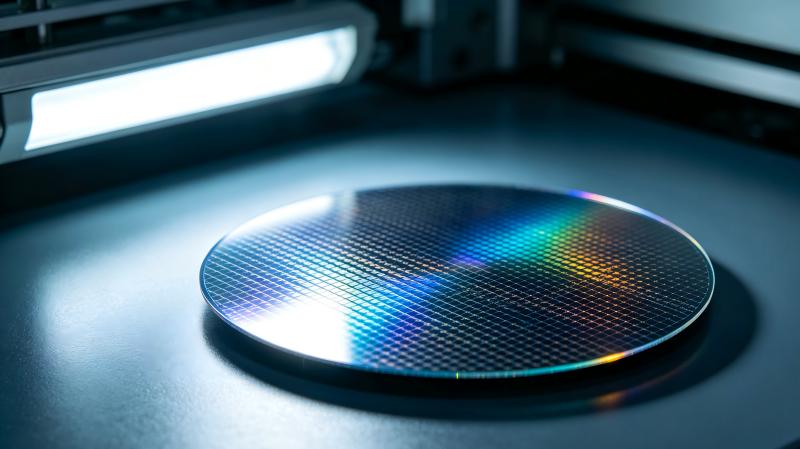
A comprehensive Guide to Functional Coatings
Cutting-edge technology hidden across industries! A comprehensive Guide to Functional Coatings.
Across sectors such as industrial manufacturing, architecture and home furnishings, aerospace, and medical electronics, the material surfaces we see are often covered by a thin film that—while inconspicuous—plays a vital role: functional coatings. Unlike ordinary coatings that serve merely for decoration or basic protection, functional coatings derive their core value from specialized material formulations and film-forming processes. They endow substrates with entirely new physical, chemical, optical, or biological properties, overcoming inherent performance limitations and significantly enhancing durability, versatility, and “smart” capabilities.
Functional coatings come in a wide variety of types. Based on their core functions and application scenarios, they can be categorized into seven major classes that cover the vast majority of civil and industrial uses, with each class boasting unique technical principles and practical value.
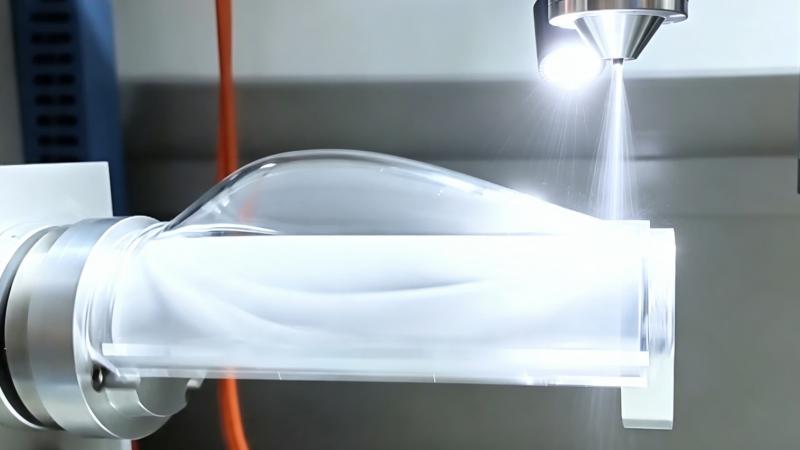
Anti-corrosion and protective coatings: The “anti-corrosion armor” for industrial substrates.
This is the most widely used category of functional coatings and represents a critical industrial necessity. Its primary function is to isolate the substrate—such as metal or concrete—from external corrosive agents, preventing oxidation, rusting, and erosion. While ordinary coatings offer only basic waterproofing and dust resistance, functional anti-corrosion coatings are engineered to withstand extremely harsh environments, including strong acids and alkalis, high-temperature flue gases, marine salt spray, and humid, mold-prone conditions.
These coatings typically utilize inorganic high-temperature materials and corrosion-resistant polymer resins as their core ingredients. Upon curing, they form a dense, low-permeability film that blocks contact between the substrate and water vapor, acidic or alkaline ions, and corrosive gases. Widely applied in chemical processing equipment, marine vessels, steel bridge structures, power plant flues, and municipal piping, these coatings significantly extend the service life of industrial equipment and infrastructure while reducing maintenance costs, making them a cornerstone material in industrial anti-corrosion systems.
Thermal Functional Coatings: A “Temperature Barrier” for Thermal Control and Insulation
Thermal functional coatings are specialized coatings developed for extreme high- and low-temperature operating conditions. They fall into three main categories: high-temperature resistant coatings, thermal insulation coatings, and thermal control coatings. Their core mechanism involves using materials with low thermal conductivity or special thermal radiation structures to block heat, dissipate heat, or maintain a constant temperature.
High-temperature resistant coatings can withstand temperatures exceeding 1,000°C. Formulated from inorganic materials such as alumina and zirconia, they protect equipment operating in high-temperature environments—such as aero-engines, industrial kilns, and rocket nozzles—preventing the metal substrates from melting, oxidizing, or deforming. Thermal insulation coatings block heat transfer and are applied to building facades, storage tanks, pipelines, and cold-chain equipment; they provide heat insulation in summer and heat retention in winter, thereby reducing energy consumption. Thermal control coatings are primarily used in the aerospace sector; they precisely regulate heat absorption and dissipation on the surfaces of satellites and spacecraft, ensuring stable equipment operation amidst the extreme temperature fluctuations of space.
Surface Wetting Functional Coatings: “Self-Cleaning Guardians” Against Fouling and Fogging
These coatings function by modulating surface tension to alter how water and oily contaminants interact with the substrate. They include categories such as superhydrophobic, superhydrophilic, anti-fog, and anti-fouling/anti-scaling coatings, making them suitable for a wide range of applications in home environments, transportation, and optical equipment.
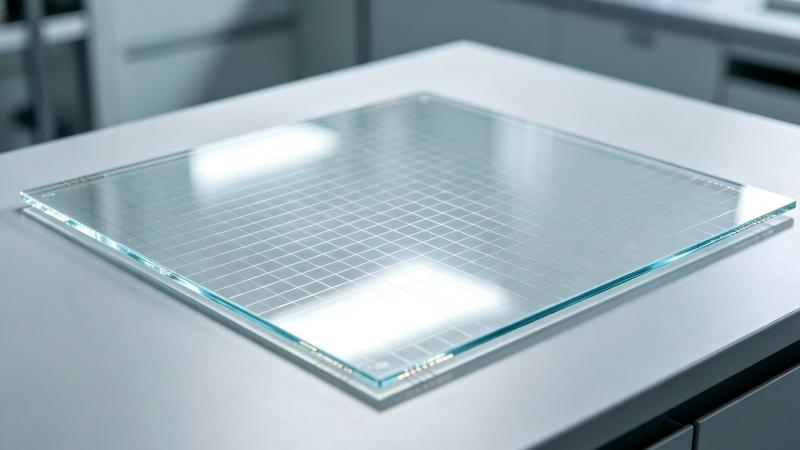
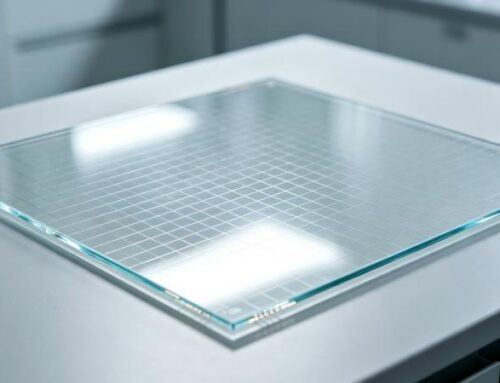
Superhydrophobic coatings exhibit the “lotus effect,” causing water droplets to roll off rapidly—carrying away dust and oil in the process—to achieve a maintenance-free, self-cleaning effect; they are ideal for outdoor glass, photovoltaic panels, and exterior curtain walls. Superhydrophilic anti-fog coatings work in the opposite way: they allow moisture to spread evenly across the surface rather than forming tiny, light-scattering droplets, effectively eliminating fogging and blurriness on bathroom mirrors, car windshields, optical lenses, and greenhouse films. Anti-scaling coatings inhibit the adhesion of waterborne impurities and limescale; they are commonly used on kitchen and bathroom fixtures as well as industrial water circulation systems to minimize the buildup of deposits.
Optical Functional Coatings: “Light and Shadow Regulators”
Optical functional coatings precisely control the transmission, reflection, absorption, and refraction of light. Serving as core auxiliary materials for optical equipment, display devices, and smart building materials, they encompass a wide variety of highly specialized types.
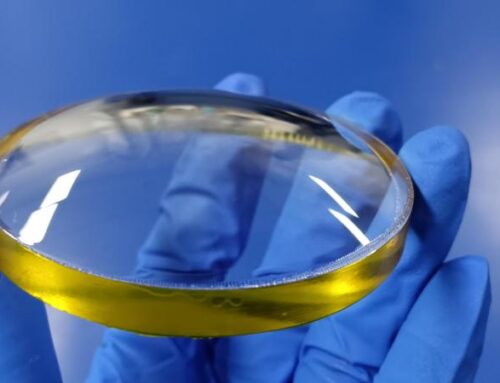
Common categories include anti-reflective (AR) coatings, anti-glare coatings, UV-resistant coatings, luminescent coatings, and photochromic (color-changing) coatings. Anti-reflective and anti-glare coatings enhance light transmission in screens and lenses, eliminate glare, and improve visual clarity. UV-resistant coatings absorb or block ultraviolet rays to prevent the aging and fading of plastic, paint, and fabric substrates, making them ideal for outdoor building materials and sun-protection products. Long-lasting luminescent coatings absorb energy from natural or artificial light to emit light autonomously in the dark, often used for safety signage and emergency guidance markings. Smart photochromic coatings change color in response to temperature or light fluctuations, finding applications in smart glass, decorative building materials, and temperature-sensing devices.
Mechanical Functional Coatings: “Performance Buffer Layers” for Wear Resistance and Noise Reduction
To address substrate vulnerabilities such as susceptibility to wear, vibration, and scratching, mechanical functional coatings optimize film hardness, toughness, and damping properties. By enhancing the material’s mechanical performance, they are suitable for operating conditions involving high-frequency friction and vibration.
Wear- and scratch-resistant coatings offer high hardness and durability, withstanding daily friction and scratches from hard objects; they are widely used on electronic device casings, hardware fittings, flooring, and industrial machinery components. Damping and noise-reduction coatings possess excellent vibration-absorption capabilities, blocking the transmission of mechanical vibrations and suppressing noise generation; applied in rail transit, industrial equipment, and building walls, they effectively reduce operational noise and energy loss caused by structural vibration.
Biosafety Coatings: “Health-Protective Films” with Antibacterial and Anti-mold Properties
With rising public health demands, the application of bio-functional coatings has become increasingly widespread. These primarily fall into three categories: antibacterial, anti-mold, and antiviral coatings. Typically formulated using inorganic antibacterial agents, photocatalysts, or composite polymer antimicrobial materials, they are safe, non-toxic, and offer long-lasting stability. These coatings effectively inhibit the proliferation of harmful microorganisms—such as *E. coli*, *Staphylococcus aureus*, and mold—and disrupt the active structures of viruses and bacteria, achieving high-standard antimicrobial performance. Primarily applied in hospital operating rooms, food processing facilities, cold-chain logistics equipment, public facility panels, and residential wall and kitchen/bathroom surfaces, they continuously purify the surface environment and reduce the risk of cross-infection, making them ideal for settings requiring high levels of cleanliness and hygiene.
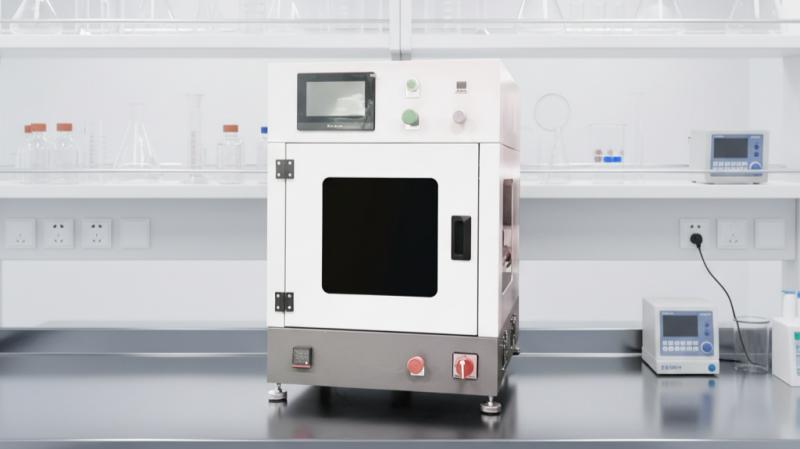
Specialty Functional Coatings: Cutting-Edge Materials for High-End Applications
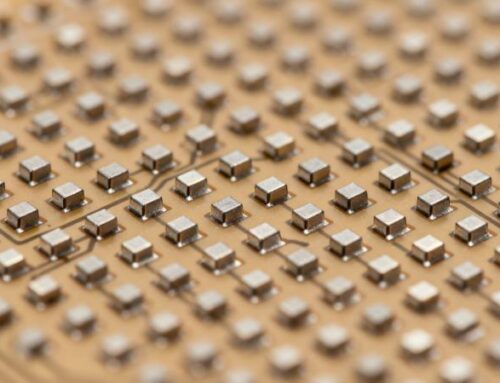
Beyond the general-purpose categories mentioned above, there is a range of specialty functional coatings designed for high-end industrial and precision manufacturing applications, offering properties such as electrical conductivity, insulation, flame retardancy, and UV-curing capabilities. Conductive coatings impart electrical conductivity to insulating substrates, serving applications like anti-static protection and electromagnetic shielding for electronic devices. Insulating coatings provide superior dielectric properties, protecting power equipment and precision circuits against electrical leakage and dielectric breakdown. Flame-retardant coatings resist ignition and inhibit flame spread, thereby enhancing the fire-safety ratings of building materials, cables, and wood products. UV-curing coatings offer rapid curing, dense film formation, and solvent-free eco-friendliness, making them well-suited for high-speed coating processes on precision components.
Conclusion
From everyday anti-fog glass and antimicrobial wall surfaces to industrial high-temperature equipment and aerospace vehicles, functional coatings have long transcended the role of simple surface decoration. They have become pivotal materials for enhancing material performance, optimizing user experience, ensuring industrial safety, and achieving energy efficiency and environmental sustainability. Driven by continuous advancements in nanotechnology and composite polymer materials, functional coatings are evolving toward multi-functionality, eco-friendliness, smart responsiveness, and long-lasting durability, consistently providing surface-level solutions for technological upgrades across diverse industries.
About Cheersonic
Cheersonic is the leading developer and manufacturer of ultrasonic coating systems for applying precise, thin film coatings to protect, strengthen or smooth surfaces on parts and components for the microelectronics/electronics, alternative energy, medical and industrial markets, including specialized glass applications in construction and automotive.
Our coating solutions are environmentally-friendly, efficient and highly reliable, and enable dramatic reductions in overspray, savings in raw material, water and energy usage and provide improved process repeatability, transfer efficiency, high uniformity and reduced emissions.
If you have any technical questions, customization demands, or procurement inquiries about ultrasonic atomization nozzles, feel free to contact our professional sales and technical team for detailed parameters, customized solutions, and industry application support.
Email: market2@cheersonic.com